100 Anesthesiologist Interview Questions and Answers for Jobs and Employment
Introduction
Anesthesiologists play a critical role in modern healthcare by ensuring patient safety, comfort, and physiological stability before, during, and after surgical and diagnostic procedures. Their responsibilities extend far beyond administering anesthesia. An anesthesiologist must assess patients, develop individualized anesthesia plans, manage airways, monitor vital functions, respond to medical emergencies, control pain, and collaborate closely with surgeons, nurses, and other healthcare professionals.
Because anesthesiology involves high-risk clinical decision-making, interviews for anesthesiologist jobs can be detailed and challenging. Hospitals, surgical centers, academic medical institutions, and healthcare organizations often evaluate a candidate’s clinical knowledge, technical skills, communication abilities, patient safety awareness, judgment, teamwork, and ability to perform under pressure.
Preparing for commonly asked anesthesiologist interview questions can help candidates organize their thoughts and communicate their professional experience more effectively.
We have some amazing books in our Shop page you may want to buy.
Table of Contents
This comprehensive guide from Bhism Yadav Books includes 100 anesthesiologist interview questions and sample answers for jobs and employment. The questions cover general anesthesiology, preoperative assessment, airway management, anesthesia techniques, patient monitoring, emergencies, pain management, patient safety, teamwork, ethics, and behavioral interview topics.
The sample answers are intended as preparation examples. Candidates should personalize their responses according to their education, clinical training, professional experience, hospital protocols, and scope of practice.
General Anesthesiologist Interview Questions and Answers
(Questions 1-30)
1. Tell us about yourself.
Sample Answer:
I am a trained anesthesiologist with a strong interest in perioperative medicine, patient safety, airway management, and pain control. My clinical experience has helped me develop skills in patient assessment, anesthesia planning, intraoperative monitoring, and emergency management. I value teamwork, clear communication, and evidence-based clinical practice. I am looking for an opportunity where I can contribute to safe surgical care while continuing to develop professionally.
2. Why did you choose anesthesiology as a career?
Sample Answer:
I chose anesthesiology because it combines physiology, pharmacology, procedural skills, and rapid clinical decision-making. I enjoy the responsibility of maintaining patient stability during complex procedures. The specialty also provides opportunities to work in operating rooms, critical care, emergency situations, and pain management.
3. What interests you about this anesthesiologist position?
Sample Answer:
This position interests me because it offers the opportunity to work with a multidisciplinary surgical team and care for a diverse patient population. I am particularly interested in contributing my anesthesia and patient safety skills while learning from experienced professionals and supporting the organization’s clinical standards.
4. What are the major responsibilities of an anesthesiologist?
Sample Answer:
An anesthesiologist evaluates patients before procedures, develops an appropriate anesthesia plan, administers anesthesia, manages the airway, monitors physiological functions, treats intraoperative complications, and provides postoperative pain and recovery support. Anesthesiologists also participate in emergency response, critical care, and quality improvement activities.
5. What qualities make a good anesthesiologist?
Sample Answer:
A good anesthesiologist should have strong clinical knowledge, attention to detail, situational awareness, technical competence, communication skills, and emotional control. The ability to recognize subtle changes in a patient’s condition and respond rapidly is particularly important.
6. What is your greatest professional strength?
Sample Answer:
One of my greatest strengths is maintaining focus in high-pressure clinical situations. I systematically assess available information, identify immediate priorities, communicate clearly with the team, and take appropriate action while continuously reassessing the patient’s response.
7. What is one professional area you are working to improve?
Sample Answer:
I continuously work on improving my efficiency in reviewing new clinical literature and integrating relevant evidence into practice. I use structured reading schedules, professional guidelines, and continuing medical education activities to stay current.
8. How do you stay updated with developments in anesthesiology?
Sample Answer:
I review peer-reviewed literature, professional society recommendations, clinical guidelines, and continuing medical education resources. I also learn through departmental discussions, morbidity and mortality reviews, simulation training, and interaction with colleagues.
9. How do you prepare for a typical operating day?
Sample Answer:
I review the surgical schedule, patient histories, laboratory results, previous anesthesia records, and anticipated procedural requirements. I assess potential airway or physiological challenges and verify the availability of appropriate medications, monitoring equipment, and emergency resources.
10. Why should we hire you as an anesthesiologist?
Sample Answer:
I can contribute clinical knowledge, careful patient assessment, strong communication, and a consistent commitment to safety. I understand the importance of teamwork and preparation in anesthesiology. I would bring a responsible and patient-centered approach to the department.
Preoperative Assessment Interview Questions
11. What is the purpose of a preoperative anesthesia assessment?
Sample Answer:
The purpose is to evaluate the patient’s medical condition, identify anesthesia-related risks, optimize health when possible, and develop an individualized anesthesia plan. It also allows the anesthesiologist to discuss options, obtain informed consent, and address patient concerns.
12. What information do you collect during a preoperative assessment?
Sample Answer:
I review medical and surgical history, medications, allergies, previous anesthesia experiences, cardiovascular and respiratory status, laboratory results, imaging when relevant, fasting status, and airway characteristics. I also assess functional capacity and procedure-specific risks.
13. How do you assess a patient’s airway?
Sample Answer:
I evaluate mouth opening, Mallampati classification, thyromental distance, neck movement, dentition, jaw movement, facial anatomy, and previous difficult airway history. No single test is perfect, so I use a combination of findings.
14. What is the ASA Physical Status Classification?
Sample Answer:
The ASA Physical Status Classification is a system used to describe a patient’s preoperative health status. It ranges from a healthy patient to a patient with severe systemic disease and includes a category for brain-dead organ donors. An emergency modifier may also be applied.
15. How do you manage a patient with a previous difficult airway?
Sample Answer:
I carefully review previous records and perform a detailed airway assessment. I develop a primary airway plan and alternative rescue strategies. Appropriate difficult airway equipment and experienced assistance should be available before proceeding.
16. Why is fasting status important before anesthesia?
Sample Answer:
Preoperative fasting helps reduce the risk of pulmonary aspiration of gastric contents during anesthesia. I verify fasting status and apply current institutional and professional guidance while considering individual patient factors and emergency circumstances.
17. How do you approach a patient with multiple comorbidities?
Sample Answer:
I assess each condition and determine how it may affect anesthesia and surgery. I prioritize significant cardiovascular, respiratory, renal, endocrine, and neurological risks. I coordinate with relevant specialists when optimization or additional evaluation is necessary.
18. How do you evaluate cardiovascular risk before surgery?
Sample Answer:
I review cardiovascular history, symptoms, functional capacity, previous investigations, medications, and the risk associated with the planned procedure. Further evaluation is based on clinical findings and established perioperative guidelines.
19. What would you do if a patient is extremely anxious before surgery?
Sample Answer:
I would speak calmly with the patient, identify specific concerns, and clearly explain the anesthesia process. Reassurance and accurate information can reduce anxiety. When clinically appropriate, pharmacological anxiolysis may also be considered.
20. When would you consider postponing elective surgery?
Sample Answer:
I may recommend postponement when an unresolved medical condition creates an unacceptable risk, when necessary evaluation or optimization is incomplete, or when patient safety requirements have not been met. The decision should involve communication with the surgical team and patient.
Anesthesia Techniques Interview Questions
21. What are the main types of anesthesia?
Sample Answer:
The main categories include general anesthesia, regional anesthesia, local anesthesia, and monitored anesthesia care or sedation. The technique is selected according to the procedure, patient condition, risks, preferences, and available clinical resources.
22. What is general anesthesia?
Sample Answer:
General anesthesia is a controlled state involving loss of consciousness and reduced awareness of surgical stimulation. It may include analgesia, amnesia, muscle relaxation, and management of ventilation and physiological functions.
23. What is regional anesthesia?
Sample Answer:
Regional anesthesia involves blocking nerve transmission to produce loss of sensation in a specific region of the body. Examples include spinal anesthesia, epidural anesthesia, and peripheral nerve blocks.
24. What is spinal anesthesia?
Sample Answer:
Spinal anesthesia involves injecting an appropriate anesthetic medication into the subarachnoid space to produce a rapid neural blockade. It is commonly used for selected lower abdominal, pelvic, and lower extremity procedures.
25. What is epidural anesthesia?
Sample Answer:
Epidural anesthesia involves administering medication into the epidural space. A catheter can be placed for continuous or repeated administration, making the technique useful for surgical anesthesia and pain management.
26. What is the difference between spinal and epidural anesthesia?
Sample Answer:
Spinal anesthesia is administered into the subarachnoid space and generally produces a rapid, dense block using a relatively small medication volume. Epidural anesthesia is delivered into the epidural space and can be titrated through a catheter.
27. How do you select an appropriate anesthesia technique?
Sample Answer:
I consider the surgical procedure, expected duration, patient health, airway status, anticoagulation status, postoperative pain requirements, patient preferences, and potential risks and benefits of each technique.
28. What is balanced anesthesia?
Sample Answer:
Balanced anesthesia uses a combination of medications and techniques to achieve desired components such as hypnosis, analgesia, amnesia, and muscle relaxation. Using multiple agents may allow lower doses of individual drugs.
29. What is monitored anesthesia care?
Sample Answer:
Monitored anesthesia care involves anesthesiologist-directed sedation and physiological monitoring during a procedure. The depth of sedation may vary, and the anesthesia professional must be prepared to manage airway or cardiovascular changes.
30. How do you explain anesthesia options to a patient?
Sample Answer:
I use clear and understandable language to explain the recommended technique, alternatives, expected experience, benefits, and important risks. I encourage questions and verify that the patient understands the discussion before consent.
Airway Management Interview Questions
(Questions 31-60)
31. Why is airway management important in anesthesiology?
Sample Answer:
Maintaining a patent airway and adequate oxygenation and ventilation is fundamental to patient safety. Anesthesiologists must recognize airway problems early and use appropriate airway techniques and rescue strategies.
32. What is endotracheal intubation?
Sample Answer:
Endotracheal intubation is the placement of a tube into the trachea to maintain an airway and facilitate ventilation. Correct tube placement must be confirmed using appropriate clinical and monitoring methods.
33. How do you confirm endotracheal tube placement?
Sample Answer:
Continuous waveform capnography is an important method of confirming tracheal placement. I also assess chest movement, ventilation parameters, oxygenation, tube depth, and bilateral breath sounds as clinically appropriate.
34. What is a difficult airway?
Sample Answer:
A difficult airway is a clinical situation in which a trained professional experiences difficulty with airway management, including ventilation, laryngoscopy, intubation, or other airway procedures.
35. How do you prepare for a difficult airway?
Sample Answer:
Preparation includes a detailed assessment, clear primary and backup plans, appropriate equipment, skilled assistance, adequate monitoring, and defined rescue strategies. Communication with the operating team is essential.
36. What is preoxygenation?
Sample Answer:
Preoxygenation increases the body’s oxygen reserve before induction and possible apnea. Effective preoxygenation can increase the time available before significant oxygen desaturation occurs.
37. What is rapid sequence induction?
Sample Answer:
Rapid sequence induction is an anesthesia induction approach designed to secure the airway efficiently in patients considered at increased risk of aspiration. The exact technique should follow current clinical guidance and patient-specific requirements.
38. What is a supraglottic airway device?
Sample Answer:
A supraglottic airway device is positioned above the vocal cords to facilitate ventilation. It may be used as a primary airway device in selected patients or as part of an airway rescue strategy.
39. How would you respond to unexpected difficult intubation?
Sample Answer:
I would prioritize oxygenation, call for assistance early, limit repeated traumatic attempts, and move through the established difficult airway strategy. I would use alternative airway devices or emergency techniques according to the clinical situation and recognized protocols.
40. What is your approach to extubation?
Sample Answer:
I assess whether the patient meets appropriate clinical criteria and consider airway, respiratory, neurological, and surgical factors. In high-risk patients, I develop an extubation strategy that also includes a plan for potential reintubation.
Patient Monitoring Interview Questions
41. What parameters do you routinely monitor during anesthesia?
Sample Answer:
Routine monitoring commonly includes oxygenation, ventilation, circulation, blood pressure, heart rate, cardiac rhythm, and temperature when clinically indicated. Additional monitoring depends on the patient’s condition and procedure.
42. Why is capnography important?
Sample Answer:
Capnography provides continuous information about exhaled carbon dioxide and ventilation. Changes in the capnogram can help identify airway, ventilation, circulatory, and equipment-related problems.
43. What is pulse oximetry?
Sample Answer:
Pulse oximetry is a noninvasive method used to estimate arterial oxygen saturation. It provides continuous information about oxygenation but must be interpreted with the overall clinical picture.
44. How do you manage intraoperative hypotension?
Sample Answer:
I first evaluate potential causes such as anesthetic effects, blood loss, reduced venous return, cardiac dysfunction, or other physiological changes. Treatment is directed at the likely cause and may include adjusting anesthesia, fluid management, or appropriate cardiovascular support.
45. How do you manage intraoperative hypertension?
Sample Answer:
I assess the depth of anesthesia, analgesia, ventilation, medication effects, and underlying patient conditions. Treatment is individualized according to the cause and severity of the blood pressure elevation.
46. What can cause intraoperative tachycardia?
Sample Answer:
Potential causes include inadequate analgesia, hypovolemia, fever, medication effects, arrhythmias, anxiety during light anesthesia, and other physiological disturbances. I evaluate the entire clinical context before treatment.
47. Why is temperature monitoring important?
Sample Answer:
Abnormal temperature can affect coagulation, drug metabolism, recovery, and patient outcomes. Monitoring helps identify unintended hypothermia or hyperthermia and guides temperature management.
48. When would you consider invasive arterial pressure monitoring?
Sample Answer:
I consider it when continuous blood pressure measurement or frequent arterial blood sampling is needed. Examples may include major surgery, significant cardiovascular instability, or procedures with anticipated rapid physiological changes.
49. What is neuromuscular monitoring?
Sample Answer:
Neuromuscular monitoring evaluates the effect and recovery of neuromuscular blocking drugs. It can help guide medication administration and reduce the risk of residual neuromuscular blockade.
50. How do you document anesthesia care?
Sample Answer:
I accurately document preoperative assessment, anesthesia technique, medications, monitoring data, significant events, interventions, patient responses, and transfer of care. Complete documentation supports continuity, safety, and professional accountability.
Emergency and Critical Situation Interview Questions
51. How do you handle a medical emergency in the operating room?
Sample Answer:
I remain focused, identify immediate threats, prioritize airway, breathing, and circulation, and initiate appropriate treatment. I communicate clearly, assign tasks when necessary, request additional support, and continuously reassess the patient’s response.
52. What is malignant hyperthermia?
Sample Answer:
Malignant hyperthermia is a potentially life-threatening hypermetabolic reaction associated with susceptibility to certain anesthetic triggers. Early recognition, discontinuation of triggering agents, specific treatment, supportive management, and team coordination are essential.
53. What signs may suggest malignant hyperthermia?
Sample Answer:
Possible findings include an unexpected rise in carbon dioxide production, muscle rigidity, tachycardia, metabolic abnormalities, and increasing body temperature. Temperature elevation may be a later sign, so early pattern recognition is important.
54. How would you respond to anaphylaxis during anesthesia?
Sample Answer:
I would immediately assess and support the airway, breathing, and circulation, stop potential triggering agents when possible, administer appropriate emergency treatment, and coordinate rapid team response. The patient requires continued monitoring and subsequent evaluation.
55. How do you manage severe intraoperative bleeding?
Sample Answer:
I communicate immediately with the surgical team, assess hemodynamic status, obtain appropriate vascular access, monitor blood loss and relevant laboratory parameters, and support circulation. Blood component therapy and other measures are guided by the clinical situation and institutional protocols.
56. What would you do during cardiac arrest in the operating room?
Sample Answer:
I would initiate resuscitation according to established life-support principles, ensure effective oxygenation and ventilation, coordinate high-quality chest compressions, identify reversible causes, and clearly communicate with the resuscitation team.
57. What are reversible causes of cardiac arrest?
Sample Answer:
Reversible causes are commonly organized into categories involving hypoxia, hypovolemia, metabolic and electrolyte disturbances, temperature abnormalities, tension pneumothorax, cardiac tamponade, toxins, and thrombotic conditions.
58. How do you handle equipment failure during anesthesia?
Sample Answer:
I immediately prioritize patient oxygenation and ventilation using an alternative reliable method. I call for assistance, switch to backup equipment, identify the source of failure, and avoid allowing technical troubleshooting to distract from patient care.
59. What would you do if oxygen saturation suddenly decreased?
Sample Answer:
I would verify the reading while immediately assessing the patient, airway, breathing, and equipment. I would increase oxygen delivery as appropriate, evaluate ventilation and airway patency, and systematically investigate pulmonary, circulatory, and technical causes.
60. How do you remain calm during emergencies?
Sample Answer:
I rely on systematic assessment, clinical training, and clear prioritization. I focus on immediate patient needs, communicate in concise language, use established emergency protocols, and continuously evaluate whether interventions are effective.
Pharmacology and Medication Interview Questions
(Questions 61-100)
61. Why is pharmacology important in anesthesiology?
Sample Answer:
Anesthesiologists use medications that can rapidly alter consciousness, ventilation, cardiovascular function, muscle activity, and pain perception. Understanding pharmacodynamics, pharmacokinetics, interactions, and patient-specific responses is essential for safe care.
62. What factors affect anesthetic drug selection?
Sample Answer:
Drug selection depends on patient age, health conditions, allergies, organ function, procedure type, expected duration, hemodynamic status, recovery goals, and potential drug interactions.
63. How does age influence anesthesia management?
Sample Answer:
Age can affect drug distribution, metabolism, organ reserve, and sensitivity to anesthetic agents. Pediatric and older adult patients require individualized dosing and physiological considerations.
64. Why is medication reconciliation important?
Sample Answer:
Medication reconciliation helps identify prescription drugs, over-the-counter medications, and other substances that may affect anesthesia. It can reveal potential interactions, withdrawal risks, anticoagulation concerns, and perioperative medication requirements.
65. How do renal problems affect anesthesia planning?
Sample Answer:
Renal dysfunction may alter fluid and electrolyte balance and the elimination of certain medications. I consider renal function when selecting and dosing drugs and when planning perioperative fluid management.
66. How does liver disease affect anesthesia?
Sample Answer:
Liver disease may affect drug metabolism, coagulation, protein binding, and cardiovascular physiology. The severity of disease and associated complications must be considered in anesthesia planning.
67. What is multimodal analgesia?
Sample Answer:
Multimodal analgesia combines different medications or techniques that act through different mechanisms to improve pain control. The goal is often to provide effective analgesia while reducing reliance on any single medication class.
68. How do you prevent medication errors?
Sample Answer:
I use standardized labeling, organized medication preparation, careful verification, clear communication, and institutional safety systems. I avoid unnecessary distractions during medication preparation and administration.
69. Why should anesthetic doses be individualized?
Sample Answer:
Patients differ in age, weight, health status, organ function, physiological reserve, and medication sensitivity. Individualized dosing reduces the risk of under-treatment or excessive drug effects.
70. How do you respond to an unexpected medication reaction?
Sample Answer:
I stop or avoid the suspected agent when appropriate, assess the patient’s airway, breathing, and circulation, provide necessary supportive treatment, and investigate the likely cause. The event should also be documented and communicated appropriately.
Postoperative and Pain Management Questions
71. What is the anesthesiologist’s role in postoperative care?
Sample Answer:
The anesthesiologist helps ensure safe recovery from anesthesia by assessing airway function, breathing, circulation, consciousness, pain, nausea, and other complications. Clear handover to recovery staff is essential.
72. What information should be included in a postoperative handover?
Sample Answer:
I communicate relevant medical history, procedure performed, anesthesia technique, airway management, medications, fluid or blood administration, significant events, current clinical status, and important postoperative concerns.
73. How do you assess postoperative pain?
Sample Answer:
I use appropriate pain assessment tools and consider the patient’s communication ability, procedure, clinical findings, and previous pain treatment. Pain assessment should be repeated after interventions.
74. How do you manage postoperative nausea and vomiting?
Sample Answer:
I assess individual risk factors and use preventive strategies when appropriate. If symptoms occur, treatment is selected according to previous prophylaxis, patient factors, and the clinical situation.
75. What is patient-controlled analgesia?
Sample Answer:
Patient-controlled analgesia allows an appropriately selected patient to self-administer programmed doses of analgesic medication within established safety limits. Patient education and monitoring are important.
76. What is acute pain management?
Sample Answer:
Acute pain management involves assessing and treating pain associated with surgery, injury, or acute illness. Treatment may include medications, regional techniques, and non-pharmacological strategies.
77. What is chronic pain management?
Sample Answer:
Chronic pain management focuses on persistent pain that extends beyond expected healing periods or is associated with long-term conditions. Management may involve multidisciplinary assessment and individualized treatment plans.
78. How do regional blocks help with postoperative pain?
Sample Answer:
Regional blocks can provide targeted analgesia to a specific anatomical area. In selected patients, they may improve pain control and reduce the need for systemic analgesic medications.
79. What complications do you watch for after anesthesia?
Sample Answer:
I watch for airway obstruction, respiratory depression, hemodynamic instability, pain, nausea, altered consciousness, residual neuromuscular weakness, bleeding, and other procedure-specific or anesthesia-related concerns.
80. When is a patient ready to leave the recovery area?
Sample Answer:
The patient should meet established recovery criteria based on consciousness, airway, respiratory function, circulation, pain control, nausea management, and other relevant clinical factors. Institutional discharge protocols should be followed.
Patient Safety and Ethics Interview Questions
81. What does patient safety mean to you?
Sample Answer:
Patient safety means proactively identifying risks, following reliable clinical processes, communicating effectively, and responding early to changes in a patient’s condition. It requires continuous attention throughout the perioperative period.
82. How do you ensure correct patient identification?
Sample Answer:
I follow institutional identification procedures and verify the patient’s identity using approved identifiers. I also confirm the planned procedure and relevant clinical information before anesthesia.
83. What would you do if you noticed a safety concern before surgery?
Sample Answer:
I would clearly communicate the concern and ensure it is appropriately evaluated before proceeding. If the issue represents a significant patient safety risk, I would support delaying the procedure until the concern is resolved.
84. How do you approach informed consent?
Sample Answer:
I explain the proposed anesthesia plan, relevant alternatives, expected benefits, and important risks in understandable language. I give the patient an opportunity to ask questions and ensure consent is voluntary.
85. How do you protect patient confidentiality?
Sample Answer:
I discuss patient information only with authorized individuals involved in care and use secure systems for clinical documentation. I follow privacy laws and institutional confidentiality policies.
86. What would you do after an adverse clinical event?
Sample Answer:
My immediate priority would be the patient’s care and stabilization. I would communicate with the clinical team, document the event accurately, participate in appropriate reporting and review processes, and support learning that may prevent similar events.
87. How do you manage a disagreement with a surgeon regarding patient safety?
Sample Answer:
I communicate my clinical concern clearly and respectfully, focusing on objective patient information and potential risks. I work toward a collaborative solution, but I remain committed to appropriate safety standards.
88. What is a surgical safety checklist?
Sample Answer:
A surgical safety checklist is a structured communication tool used to verify important safety information at key stages of surgical care. It can improve team communication and reduce preventable errors.
89. Why is accurate documentation important?
Sample Answer:
Accurate documentation supports continuity of care, communication, quality improvement, and professional accountability. The anesthesia record should clearly reflect the patient’s clinical course and important interventions.
90. How do you contribute to quality improvement?
Sample Answer:
I contribute by reporting safety concerns, participating in case reviews, examining clinical outcomes, following evidence-based protocols, and supporting practical improvements in departmental processes.
Behavioral and Employment Interview Questions
91. Describe a time you worked under significant pressure.
Sample Answer:
During a complex clinical situation, the patient’s condition changed rapidly and required immediate intervention. I focused on the most urgent physiological priorities, communicated clearly with the team, and reassessed the patient after each intervention. The experience reinforced the value of preparation and structured decision-making.
92. How do you handle conflict with a colleague?
Sample Answer:
I address conflict professionally and privately whenever possible. I listen to the colleague’s perspective, explain my concerns clearly, and focus on patient care and team objectives rather than personal differences.
93. Describe your approach to teamwork.
Sample Answer:
I believe effective teamwork requires respect, clear communication, and shared situational awareness. I communicate important information early, listen to team members, and encourage colleagues to speak up about safety concerns.
94. How do you manage a heavy workload?
Sample Answer:
I prioritize tasks according to urgency and patient risk. I prepare in advance, maintain organized clinical information, communicate with the team, and ask for appropriate support when workload may affect safe care.
95. How do you respond to constructive feedback?
Sample Answer:
I view constructive feedback as an important part of professional development. I listen carefully, clarify specific areas for improvement, and create practical steps to strengthen my performance.
96. Tell us about a professional mistake and what you learned.
Sample Answer:
When discussing a mistake, I choose an appropriate example and explain the situation accurately without minimizing responsibility. I focus on the corrective action, communication, and process changes that helped reduce the chance of recurrence. I believe professional growth requires honest reflection.
97. Where do you see yourself in five years?
Sample Answer:
In five years, I hope to be a highly dependable member of an anesthesiology department with stronger expertise in perioperative care and patient safety. I would also like to contribute to education, quality improvement, and departmental development.
98. What are your salary expectations?
Sample Answer:
I am open to discussing compensation based on the responsibilities of the position, working schedule, professional expectations, my qualifications, and the organization’s compensation structure. My priority is finding a position that offers professional growth and a strong clinical environment.
99. Are you comfortable with emergency calls and flexible schedules?
Sample Answer:
I understand that anesthesiology requires flexibility because surgical and medical emergencies can occur at any time. I am prepared to discuss the department’s call schedule and contribute responsibly to patient care requirements.
100. Do you have any questions for us?
Sample Answer:
Yes. I would like to learn more about the anesthesia department’s team structure, surgical case mix, call responsibilities, orientation process, continuing education opportunities, patient safety programs, and expectations for the person selected for this position.
Recommended Books for Anesthesiologist Interview Preparation
Essentials of Anesthesiology by Puneet Khanna (Author)
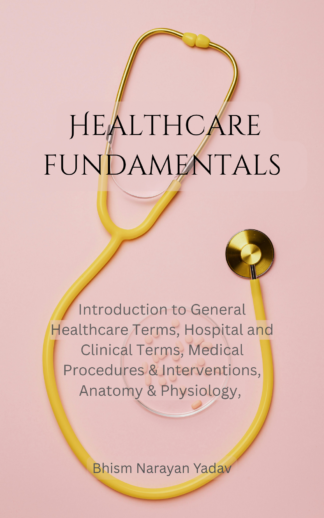
Healthcare Fundamentals by Bhism Narayan Yadav
How to Prepare for an Anesthesiologist Job Interview
An anesthesiologist interview evaluates more than the candidate’s ability to recall medical facts. Interviewers may assess clinical judgment, communication skills, safety awareness, professionalism, teamwork, and the ability to manage high-pressure situations.
Before attending an interview, review your professional experience and be prepared to discuss the types of procedures, patients, and anesthesia techniques you have encountered. Candidates should never exaggerate their experience. Clear and accurate communication about your training and professional capabilities creates a stronger impression than overstating technical expertise.
Review important areas of anesthesiology, including preoperative evaluation, airway assessment, patient monitoring, anesthesia techniques, perioperative medicine, postoperative care, and emergency response. Candidates should also be familiar with the policies and clinical expectations relevant to the healthcare system and institution where they are applying.
Behavioral questions are also important. Prepare several professional examples demonstrating teamwork, communication, decision-making, conflict resolution, and learning from difficult situations.
Tips for Answering Anesthesiologist Interview Questions
When answering interview questions, organize your response clearly. For clinical scenario questions, explain how you would assess the patient, identify immediate risks, prioritize patient safety, communicate with the healthcare team, and continuously reassess the patient’s condition.
Avoid giving unnecessarily complicated answers. Interviewers often want to understand your clinical reasoning rather than hear a long list of memorized facts.
For behavioral questions, the STAR method can be useful. STAR stands for Situation, Task, Action, and Result. Briefly describe the clinical or professional situation, explain your responsibility, describe the actions you took, and discuss the result or lesson learned.
Always adapt your answers to your actual experience. Newly trained anesthesiologists may emphasize residency experience, supervised clinical exposure, education, and willingness to learn. Experienced anesthesiologists can provide examples from independent clinical practice, leadership, quality improvement, and complex patient management.
Frequently Asked Questions About Anesthesiologist Interviews
What questions are asked in an anesthesiologist interview?
Anesthesiologist interviews commonly include questions about clinical experience, preoperative assessment, airway management, general and regional anesthesia, patient monitoring, emergency response, postoperative care, pain management, patient safety, teamwork, and career goals.
How should I prepare for an anesthesia job interview?
Review your clinical experience, current anesthesiology principles, important patient safety concepts, and common clinical scenarios. Research the healthcare organization and prepare examples that demonstrate communication, teamwork, and professional decision-making.
Are anesthesiologist interviews difficult?
The difficulty depends on the position and healthcare organization. Some interviews focus mainly on professional experience and behavioral questions, while others include detailed clinical scenarios designed to assess judgment and decision-making.
What skills do employers look for in anesthesiologists?
Employers commonly look for clinical competence, airway management skills, attention to patient safety, communication, teamwork, reliability, situational awareness, and the ability to respond effectively during emergencies.
Should I memorize anesthesiologist interview answers?
It is better to understand the main ideas and prepare personalized responses rather than memorize answers word for word. Natural answers based on genuine professional experience are usually more convincing.
Conclusion
Preparing for an anesthesiologist job interview requires a combination of clinical knowledge, professional self-awareness, and effective communication. Employers want anesthesiologists who can evaluate patients carefully, make appropriate clinical decisions, manage rapidly changing situations, and work effectively with multidisciplinary healthcare teams.
These 100 anesthesiologist interview questions and answers for jobs and employment cover many of the topics candidates may encounter during hospital, surgical center, healthcare organization, and academic anesthesiology interviews.
Use these questions to practice explaining your clinical reasoning and professional experience. Modify every sample answer according to your own education, training, certifications, clinical responsibilities, and career goals.
Regular preparation can help you communicate with greater clarity and confidence during your next anesthesiologist interview.
Disclaimer: This article is intended for educational and interview preparation purposes only. It does not replace professional medical training, institutional protocols, clinical guidelines, or independent medical judgment.
Disclaimer: The interview questions and sample answers in this article are provided for educational and job preparation purposes. Actual interview questions may vary depending on the employer, industry, job role, location, and candidate experience.