Posted on Leave a comment

Production Manager Interview Questions and Answers for Jobs and Employment (2026): Complete Guide Freshers and Experienced can’t miss

Production Manager Interview Questions and Answers

100 Production Manager Interview Questions and Answers for Jobs and Employment

Introduction

A Production Manager plays a crucial role in manufacturing and industrial organizations. The professional is responsible for planning production activities, managing employees, controlling costs, maintaining product quality, achieving production targets, and ensuring that manufacturing operations run safely and efficiently.

Production Manager jobs are available in industries such as automobile manufacturing, food processing, pharmaceuticals, electronics, steel, chemicals, textiles, consumer goods, engineering, packaging, and industrial equipment manufacturing.

During a Production Manager interview, employers generally evaluate a candidate’s technical knowledge, production planning ability, leadership skills, problem-solving approach, quality awareness, and understanding of manufacturing processes.

We have some amazing books in our Shop page you may want to buy.

This comprehensive guide from Bhism Yadav Books contains 100 Production Manager interview questions and answers for jobs and employment. These questions can help fresh graduates, production supervisors, manufacturing professionals, engineers, and experienced managers prepare for interviews.


Basic Production Manager Interview Questions and Answers

(Question 1-30)

1. Tell me about yourself.

Answer: I am a production management professional with knowledge of production planning, manufacturing operations, quality control, workforce management, and process improvement. I focus on achieving production targets while maintaining quality, safety, and cost efficiency. I am also comfortable coordinating with maintenance, quality, supply chain, and other departments.

2. Who is a Production Manager?

Answer: A Production Manager is a professional responsible for planning, organizing, supervising, and controlling manufacturing activities. The manager ensures that products are manufactured on time, within budget, according to quality standards, and in compliance with safety requirements.

3. What are the main responsibilities of a Production Manager?

Answer: Major responsibilities include production planning, workforce allocation, resource management, monitoring output, controlling production costs, maintaining quality, coordinating maintenance, ensuring workplace safety, reducing waste, and achieving production targets.

4. Why do you want to work as a Production Manager?

Answer: I enjoy managing manufacturing processes, solving operational problems, and working with teams to improve productivity. Production management allows me to combine technical knowledge, analytical thinking, and leadership skills to achieve measurable business results.

5. What skills are required for a Production Manager?

Answer: Important skills include leadership, production planning, communication, problem-solving, decision-making, quality management, cost control, time management, data analysis, and knowledge of manufacturing processes.

6. What is production management?

Answer: Production management is the process of planning, organizing, directing, and controlling manufacturing activities to convert raw materials and resources into finished products efficiently.

7. What is production planning?

Answer: Production planning determines what products need to be manufactured, how many units are required, when production should begin, and what resources are needed to complete production.

8. What is production control?

Answer: Production control involves monitoring manufacturing activities and comparing actual performance with the production plan. Corrective action is taken when delays, quality problems, or resource shortages occur.

9. What is a production schedule?

Answer: A production schedule is a detailed plan that specifies the products, quantities, machines, employees, and time periods required for manufacturing operations.

10. How do you prioritize production orders?

Answer: I consider customer delivery dates, order urgency, material availability, machine capacity, production complexity, and business priorities. I then create a schedule that maximizes resource utilization while meeting important commitments.


Production Planning Interview Questions

11. How do you prepare a production plan?

Answer: I review customer demand, inventory levels, material availability, machine capacity, workforce availability, and delivery deadlines. Based on these factors, I prepare a realistic production plan and continuously monitor its execution.

12. What is capacity planning?

Answer: Capacity planning determines whether available machines, labor, facilities, and resources are sufficient to meet expected production demand.

13. What is production capacity?

Answer: Production capacity is the maximum quantity of products that a manufacturing system can produce within a specified period under normal operating conditions.

14. What is a Master Production Schedule?

Answer: A Master Production Schedule, or MPS, is a detailed production plan that specifies which finished products will be produced, in what quantities, and during which time periods.

15. What is Material Requirements Planning?

Answer: Material Requirements Planning, or MRP, is a system used to calculate the materials and components required for production based on production schedules, inventory levels, and bills of materials.

16. What is a Bill of Materials?

Answer: A Bill of Materials, or BOM, is a structured list of raw materials, parts, components, and quantities required to manufacture a product.

17. How do you handle sudden changes in production demand?

Answer: I evaluate available inventory, production capacity, material availability, and workforce requirements. I then revise the production schedule, coordinate with relevant departments, and communicate realistic delivery expectations.

18. What is production lead time?

Answer: Production lead time is the total time required to complete a manufacturing process from the beginning of production until the finished product is ready.

19. How do you reduce production lead time?

Answer: Lead time can be reduced through process simplification, better scheduling, layout improvement, automation, waste reduction, supplier coordination, and elimination of production bottlenecks.

20. How do you ensure production targets are achieved?

Answer: I establish clear daily and weekly targets, allocate resources properly, monitor key performance indicators, conduct production meetings, identify problems quickly, and implement corrective actions.


Manufacturing Process Interview Questions

21. What is a manufacturing process?

Answer: A manufacturing process is a series of activities used to transform raw materials or components into finished products using labor, machines, tools, and technology.

22. What are the major types of production systems?

Answer: Major production systems include job production, batch production, mass production, continuous production, and project production.

23. What is batch production?

Answer: Batch production involves manufacturing a specific quantity of similar products together before switching to another product or batch.

24. What is mass production?

Answer: Mass production is the large-scale manufacturing of standardized products using repetitive processes and specialized equipment.

25. What is continuous production?

Answer: Continuous production is a manufacturing system in which production operations run continuously with minimal interruption. It is commonly used in chemical, petroleum, power, and process industries.

26. What is a production bottleneck?

Answer: A production bottleneck is a process, machine, or activity that limits the overall production capacity because its output is lower than the demand placed on it.

27. How do you identify bottlenecks?

Answer: I analyze cycle times, machine utilization, work-in-process inventory, waiting time, production delays, and output data. Processes with continuous queues or capacity limitations are investigated as possible bottlenecks.

28. How do you eliminate a bottleneck?

Answer: I analyze the root cause and may redistribute work, improve the process, increase machine capacity, provide employee training, reduce setup time, or introduce automation.

29. What is cycle time?

Answer: Cycle time is the amount of time required to complete one production cycle or manufacture one unit through a specific process.

30. What is takt time?

Answer: Takt time is the rate at which products must be completed to satisfy customer demand. It helps synchronize production output with market requirements.


Lean Manufacturing Interview Questions and Answers

(Question 31-60)

31. What is lean manufacturing?

Answer: Lean manufacturing is a management approach focused on maximizing customer value while minimizing waste. It aims to improve productivity, quality, flow, and efficiency.

32. What are the major wastes in lean manufacturing?

Answer: Common wastes include transportation, inventory, motion, waiting, overproduction, overprocessing, defects, and underutilized employee talent.

33. What is Kaizen?

Answer: Kaizen is a continuous improvement philosophy that encourages employees at all levels to make small and regular improvements in processes.

34. What is 5S?

Answer: 5S is a workplace organization methodology consisting of Sort, Set in Order, Shine, Standardize, and Sustain. It improves workplace efficiency, cleanliness, and safety.

35. What is Just-in-Time production?

Answer: Just-in-Time, or JIT, is a production strategy in which materials and products are produced or delivered only when required, reducing unnecessary inventory.

36. What is Kanban?

Answer: Kanban is a visual production control system used to manage workflow and material movement based on actual demand.

37. What is value stream mapping?

Answer: Value stream mapping is a visual technique used to analyze the flow of materials and information through a production process and identify waste.

38. What is continuous improvement?

Answer: Continuous improvement is the ongoing effort to improve products, services, and manufacturing processes through regular evaluation and corrective actions.

39. How do you reduce manufacturing waste?

Answer: I analyze process data, identify non-value-added activities, implement lean practices, improve material handling, control defects, optimize inventory, and involve employees in improvement programs.

40. What is Poka-Yoke?

Answer: Poka-Yoke is a mistake-proofing technique designed to prevent errors or detect them before defective products move to the next production stage.


Quality Control Interview Questions

41. What is quality control?

Answer: Quality control is the process of inspecting, testing, and monitoring products to ensure that they meet established specifications and customer requirements.

42. What is quality assurance?

Answer: Quality assurance focuses on designing and maintaining processes that prevent quality problems. Quality control focuses more on detecting product defects.

43. How do you maintain product quality?

Answer: I ensure standardized work procedures, employee training, process monitoring, equipment maintenance, quality inspections, and proper corrective actions.

44. What is a quality standard?

Answer: A quality standard defines specific requirements, characteristics, and acceptance criteria that products or processes must meet.

45. What is root cause analysis?

Answer: Root cause analysis is a systematic method used to identify the fundamental cause of a problem rather than simply treating its symptoms.

46. What is the 5 Why technique?

Answer: The 5 Why technique is a problem-solving method in which the question “Why?” is asked repeatedly to identify the root cause of a problem.

47. What is a fishbone diagram?

Answer: A fishbone diagram, also called an Ishikawa diagram, is a root cause analysis tool used to organize possible causes of a problem into categories.

48. How do you handle repeated quality defects?

Answer: I stop or control the affected process, isolate defective products, analyze the root cause, implement corrective action, verify results, and establish preventive measures.

49. What is Statistical Process Control?

Answer: Statistical Process Control, or SPC, uses statistical methods and control charts to monitor process variation and maintain stable production processes.

50. What is Six Sigma?

Answer: Six Sigma is a data-driven methodology used to reduce defects, minimize process variation, and improve operational performance.


Production Efficiency Interview Questions

51. How do you improve production efficiency?

Answer: I improve efficiency by analyzing workflows, reducing downtime, eliminating waste, optimizing machine utilization, improving employee skills, and using performance data for decision-making.

52. What is Overall Equipment Effectiveness?

Answer: Overall Equipment Effectiveness, or OEE, measures manufacturing productivity using availability, performance, and quality.

53. What factors affect production efficiency?

Answer: Machine downtime, poor scheduling, material shortages, employee skills, quality defects, inefficient layouts, equipment condition, and communication problems can affect efficiency.

54. How do you measure production performance?

Answer: I use indicators such as production output, OEE, cycle time, downtime, rejection rate, yield, productivity, schedule adherence, and production cost.

55. What is productivity?

Answer: Productivity measures the amount of output produced in relation to the resources used, such as labor hours, machine hours, or materials.

56. How do you increase employee productivity?

Answer: I establish clear expectations, provide training, improve workplace conditions, remove process obstacles, recognize good performance, and maintain effective communication.

57. What is production yield?

Answer: Production yield is the percentage of acceptable products produced compared with the total number of units processed.

58. What is first-pass yield?

Answer: First-pass yield measures the percentage of products that meet quality requirements without requiring rework or repair.

59. How do you reduce rework?

Answer: I improve process controls, employee training, work instructions, mistake-proofing systems, equipment maintenance, and root cause analysis.

60. How do you reduce production costs?

Answer: Production costs can be reduced by minimizing waste, improving productivity, controlling inventory, reducing defects, optimizing energy use, and improving equipment efficiency.


Maintenance and Equipment Interview Questions

(Question 61-100)

61. Why is equipment maintenance important?

Answer: Equipment maintenance improves reliability, reduces unexpected breakdowns, protects product quality, increases equipment life, and supports workplace safety.

62. What is preventive maintenance?

Answer: Preventive maintenance is scheduled maintenance performed at predetermined intervals to reduce the risk of equipment failure.

63. What is predictive maintenance?

Answer: Predictive maintenance uses equipment condition data, sensors, and performance trends to predict when maintenance will be required.

64. What is breakdown maintenance?

Answer: Breakdown maintenance is repair work performed after equipment has failed or stopped operating.

65. How do you handle a critical machine breakdown?

Answer: I first ensure workplace safety and inform the maintenance team. I assess the impact on production, consider alternative machines or production routes, revise the schedule, and communicate with relevant departments.

66. What is machine downtime?

Answer: Machine downtime is the period during which production equipment is unavailable or unable to operate.

67. How do you reduce machine downtime?

Answer: I use preventive maintenance, operator inspections, spare parts planning, root cause analysis, equipment monitoring, and maintenance performance reviews.

68. What is Total Productive Maintenance?

Answer: Total Productive Maintenance, or TPM, is a maintenance approach that involves operators and maintenance teams in improving equipment reliability and productivity.

69. What is autonomous maintenance?

Answer: Autonomous maintenance allows trained machine operators to perform basic equipment care activities such as cleaning, inspection, lubrication, and minor adjustments.

70. How do you coordinate with the maintenance department?

Answer: I share equipment performance information, production schedules, downtime reports, and maintenance priorities. Regular coordination helps plan maintenance without causing unnecessary production disruption.


Inventory and Material Management Questions

71. Why is inventory management important in production?

Answer: Inventory management ensures that materials are available when required while preventing excessive stock, storage costs, and material obsolescence.

72. What is raw material inventory?

Answer: Raw material inventory consists of materials and components that have not yet entered the production process.

73. What is work-in-process inventory?

Answer: Work-in-process, or WIP, inventory consists of partially completed products currently moving through manufacturing processes.

74. What is finished goods inventory?

Answer: Finished goods inventory includes completed products that are ready for storage, distribution, or customer delivery.

75. What is safety stock?

Answer: Safety stock is additional inventory maintained to protect production or customer deliveries from unexpected demand or supply disruptions.

76. How do you handle a raw material shortage?

Answer: I determine the production impact, check available stock, coordinate with procurement, identify alternative approved materials or suppliers, and adjust the production schedule.

77. What is FIFO?

Answer: FIFO means First In, First Out. Under this method, older inventory is used or issued before newer inventory.

78. What is inventory turnover?

Answer: Inventory turnover measures how frequently inventory is used or sold during a specific period.

79. How do you prevent excess inventory?

Answer: I use accurate demand planning, MRP, production scheduling, inventory monitoring, supplier coordination, and regular stock reviews.

80. How do you coordinate with the procurement team?

Answer: I provide accurate material requirements, production forecasts, priority information, and consumption data. I also communicate immediately when production schedules or material requirements change.


Safety and Compliance Interview Questions

81. Why is workplace safety important in production?

Answer: Workplace safety protects employees, reduces accidents, prevents production interruptions, protects equipment, and supports legal and organizational compliance.

82. What is a safety risk assessment?

Answer: A safety risk assessment identifies workplace hazards, evaluates their potential impact, and determines appropriate control measures.

83. What is PPE?

Answer: PPE stands for Personal Protective Equipment. Examples include safety helmets, gloves, safety glasses, protective clothing, and safety shoes.

84. How do you promote a safety culture?

Answer: I lead by example, conduct safety meetings, encourage hazard reporting, provide training, enforce safety procedures, and recognize safe work practices.

85. What would you do after a workplace accident?

Answer: I would ensure immediate medical assistance, secure the accident area, report the incident, preserve relevant evidence, participate in the investigation, and implement corrective measures.

86. How do you ensure employees follow safety procedures?

Answer: I provide regular training, clear work instructions, supervision, safety audits, and corrective coaching. Safety expectations must be communicated consistently.

87. What is a Standard Operating Procedure?

Answer: A Standard Operating Procedure, or SOP, is a documented instruction that explains how a specific activity should be performed safely and consistently.

88. How do you ensure compliance with SOPs?

Answer: I provide training, maintain accessible documentation, conduct process audits, observe workplace practices, and correct deviations immediately.

89. What is a safety audit?

Answer: A safety audit is a systematic review of workplace conditions, procedures, documentation, and employee practices to identify safety gaps.

90. How do you handle an employee who repeatedly violates safety rules?

Answer: I discuss the violation with the employee, determine whether training or understanding is an issue, provide corrective guidance, document the situation, and follow organizational disciplinary procedures when necessary.


Leadership and Behavioral Production Manager Interview Questions

91. How do you manage a production team?

Answer: I set clear goals, assign responsibilities based on employee skills, communicate production priorities, monitor performance, provide feedback, and encourage teamwork.

92. How do you handle conflict between employees?

Answer: I listen to all involved employees separately or together as appropriate, identify the actual cause of the conflict, remain neutral, and work toward a practical solution that supports professional teamwork.

93. How do you motivate production employees?

Answer: I recognize good performance, communicate goals clearly, involve employees in improvement activities, provide development opportunities, and create a respectful working environment.

94. How do you handle an underperforming employee?

Answer: I review performance data, discuss expectations with the employee, identify the reason for underperformance, provide coaching or training, establish measurable improvement goals, and monitor progress.

95. Describe your leadership style.

Answer: My leadership style is collaborative and performance-oriented. I provide clear direction and maintain accountability while encouraging employees to share ideas and participate in process improvements.

96. How do you work under production pressure?

Answer: I remain focused on priorities, analyze the situation using available data, allocate resources effectively, communicate clearly, and avoid compromising safety or quality for short-term production output.

97. Tell me about a difficult production problem you solved.

Answer: In one situation, production output was falling because of frequent machine stoppages and increasing cycle time. I reviewed downtime records and production data and worked with the maintenance and operator teams to identify the root cause. We found that repeated minor equipment issues and inconsistent preventive maintenance were affecting production. I coordinated corrective maintenance, revised the preventive maintenance schedule, and introduced daily equipment checks. As a result, machine downtime was reduced, production flow improved, and the team was able to achieve the required production target.

98. Why should we hire you as a Production Manager?

Answer: You should hire me because I understand production planning, team management, process improvement, quality control, and manufacturing performance. I focus on achieving production targets while maintaining safety, quality, and cost efficiency.

99. Where do you see yourself in five years?

Answer: In five years, I see myself taking greater responsibility in manufacturing operations, leading larger teams, and contributing to strategic production and continuous improvement initiatives.

100. Do you have any questions for us?

Answer: Yes. I would like to understand the company’s major production goals, current operational challenges, performance expectations for this position, and opportunities for professional development.


Inventory and Production Management in Supply Chains by Edward A. Silver (Author), David F. Pyke (Author), Douglas J. Thomas (Author)

Important Production Manager Interview Topics to Prepare

Candidates preparing for a Production Manager interview should develop a strong understanding of production planning, capacity management, manufacturing systems, quality control, lean manufacturing, inventory management, equipment maintenance, and workplace safety.

Important concepts include MRP, MPS, BOM, OEE, TPM, Kaizen, 5S, Kanban, JIT, Six Sigma, SPC, cycle time, takt time, production yield, first-pass yield, root cause analysis, and continuous improvement.

Candidates should also prepare examples from their professional experience. Interviewers often ask behavioral questions about machine breakdowns, production delays, employee conflicts, material shortages, safety incidents, and quality problems.

How to Prepare for a Production Manager Interview

Before attending the interview, research the company and understand its manufacturing industry, products, production technology, and business operations. Review the job description carefully and identify the main skills expected by the employer.

Prepare examples of situations where you improved productivity, reduced production costs, solved quality problems, managed employees, or achieved difficult production targets.

Use measurable results whenever possible. For example, instead of simply saying that you improved productivity, explain that you implemented a process improvement that reduced cycle time or increased production output.

You should also review important manufacturing performance indicators. Production Managers are frequently expected to understand output, efficiency, downtime, rejection rate, OEE, yield, labor productivity, and schedule adherence.

Tips for Answering Production Manager Interview Questions

Listen carefully to each interview question and provide a structured answer. Avoid giving unnecessarily long explanations. Focus on your actions, technical understanding, and measurable results.

For behavioral questions, use the STAR method:

Situation: Explain the background of the problem.

Task: Describe your responsibility.

Action: Explain the steps you took.

Result: Describe the final outcome.

Always demonstrate that safety and product quality are important. A Production Manager should never suggest compromising employee safety or customer quality simply to increase output.

Leadership questions should be answered with examples that demonstrate communication, accountability, employee development, and teamwork.

Production Manager Career Opportunities

Production management professionals can find employment in automobile manufacturing, electronics, pharmaceuticals, food processing, chemicals, textiles, steel, cement, consumer goods, aerospace, engineering, packaging, and many other industries.

Common job titles include:

  • Production Manager
  • Manufacturing Manager
  • Production Supervisor
  • Plant Manager
  • Operations Manager
  • Factory Manager
  • Manufacturing Operations Manager
  • Production Planning Manager
  • Process Improvement Manager
  • Industrial Production Manager

With experience, a Production Manager may progress into senior positions such as Plant Head, Head of Manufacturing, Director of Operations, Vice President of Manufacturing, or Chief Operations Officer.

Frequently Asked Questions About Production Manager Interviews

Are Production Manager interviews difficult?

Production Manager interviews can be challenging because they evaluate technical knowledge, management ability, and real-world problem-solving skills. Proper preparation can significantly improve interview performance.

What technical questions are asked in a Production Manager interview?

Interviewers may ask questions about production planning, MRP, OEE, lean manufacturing, quality control, equipment maintenance, inventory, cycle time, takt time, and process improvement.

What leadership questions are asked?

Common leadership questions focus on team management, employee motivation, conflict resolution, performance management, communication, and handling pressure.

Is lean manufacturing important for Production Managers?

Yes. Lean manufacturing concepts help Production Managers reduce waste, improve productivity, shorten lead times, and improve process efficiency.

What KPIs should a Production Manager know?

Important KPIs include production output, OEE, downtime, cycle time, rejection rate, first-pass yield, production yield, schedule adherence, labor productivity, and manufacturing cost.

Conclusion

Preparing for a Production Manager interview requires a combination of manufacturing knowledge, leadership skills, analytical thinking, and practical problem-solving ability. Employers want candidates who can achieve production targets while controlling costs, maintaining product quality, and ensuring employee safety.

These 100 Production Manager interview questions and answers for jobs and employment cover important topics such as production planning, lean manufacturing, quality control, equipment maintenance, inventory management, workplace safety, and team leadership.

Review each question carefully and adapt the sample answers according to your own education, manufacturing experience, and professional achievements. Practical examples and measurable results can make your answers more convincing during the interview.

For more educational resources, job interview questions, fundamental concepts, and career preparation articles, continue exploring Bhism Yadav Books.

Posted on Leave a comment

Cardiologist Interview Questions and Answers for Jobs and Employment (2026) : Complete Guide Freshers and Experienced can’t miss

Cardiologist Interview Questions and Answers

100 Cardiologist Interview Questions and Answers for Jobs and Employment

Introduction

A cardiologist interview is an important stage in securing a position in a hospital, cardiac care center, multispecialty healthcare institution, academic medical center, or specialized heart clinic. Employers usually evaluate much more than a candidate’s theoretical knowledge of cardiovascular medicine. They may assess clinical judgment, diagnostic ability, patient communication, emergency response, teamwork, ethical decision-making, and commitment to professional development.

Cardiologists are responsible for evaluating, diagnosing, treating, and managing diseases affecting the heart and cardiovascular system. Their work may involve patients with coronary artery disease, hypertension, heart failure, arrhythmias, valvular disorders, cardiomyopathy, congenital heart conditions, and other cardiovascular problems.

During a cardiology job interview, candidates may be asked questions about electrocardiography, echocardiography, cardiac biomarkers, acute coronary syndromes, cardiac medications, emergency management, patient safety, and multidisciplinary care. Behavioral and situational questions are also common because healthcare organizations want cardiologists who can communicate effectively and make responsible decisions under pressure.

We have some amazing books in our Shop page you may want to buy.

This comprehensive guide from Bhism Yadav Books presents 100 cardiologist interview questions and answers for jobs and employment. The questions are designed to help cardiologists, medical professionals, and job aspirants understand common interview topics and prepare clear, professional responses.

Important note: The sample answers in this article are intended for interview preparation and educational purposes. Candidates should adapt their responses according to their qualifications, clinical experience, local medical guidelines, scope of practice, and the requirements of the healthcare organization.


Basic Cardiologist Interview Questions and Answers

(Questions 1-25)

1. Tell us about yourself.

Sample Answer:
I am a medical professional specializing in cardiovascular medicine with a strong interest in the diagnosis, treatment, and long-term management of heart diseases. My clinical experience has helped me develop skills in patient assessment, cardiovascular examination, diagnostic interpretation, and multidisciplinary care. I value evidence-based medicine, clear communication, and patient safety. I am also committed to continuously updating my knowledge as cardiovascular medicine and technology continue to evolve.

2. Why did you choose cardiology as your specialty?

Sample Answer:
I chose cardiology because it combines detailed clinical reasoning, advanced diagnostic technology, emergency medicine, and long-term patient management. Cardiovascular diseases affect a large number of patients and can significantly influence quality of life. I find it professionally rewarding to identify cardiovascular risks, manage complex heart conditions, and help patients improve their long-term health outcomes.

3. Why do you want to work at our hospital or healthcare organization?

Sample Answer:
I am interested in this organization because of its focus on quality patient care and collaborative medical practice. I am looking for an environment where cardiologists work closely with emergency physicians, surgeons, nurses, radiologists, and other healthcare professionals. I also value institutions that encourage continuing education, clinical improvement, and the responsible use of medical technology.

4. What are your greatest strengths as a cardiologist?

Sample Answer:
My strengths include systematic clinical assessment, attention to detail, calm decision-making, and patient communication. I try to evaluate cardiovascular problems using a combination of medical history, physical examination, diagnostic findings, and evidence-based recommendations. I also understand the importance of teamwork when managing complicated cardiac patients.

5. What is one professional area you are currently working to improve?

Sample Answer:
I believe professional improvement should be continuous. I regularly identify areas where I can strengthen my knowledge or efficiency. For example, I focus on keeping up with new cardiovascular research, evolving diagnostic technologies, and updated clinical recommendations. I also review challenging cases to identify opportunities for improving my clinical decision-making.

6. How do you stay updated with developments in cardiology?

Sample Answer:
I stay updated by reviewing peer-reviewed medical literature, clinical guidelines, educational resources, and cardiology conference materials. I also participate in professional discussions and continuing medical education activities when available. When new evidence emerges, I critically evaluate its quality and consider how it may apply to appropriate patient populations.

7. What qualities make an effective cardiologist?

Sample Answer:
An effective cardiologist should have strong clinical knowledge, diagnostic reasoning, communication skills, and the ability to make decisions under pressure. Attention to patient safety and ethical practice is essential. A cardiologist should also be willing to collaborate with multidisciplinary teams and continuously learn from research, technology, and clinical experience.

8. How would your colleagues describe you?

Sample Answer:
I believe my colleagues would describe me as professional, dependable, and collaborative. I try to communicate clearly, respect the expertise of other healthcare professionals, and remain calm in challenging clinical situations. I also encourage open discussion when a patient’s condition requires input from multiple specialists.

9. What motivates you in your medical career?

Sample Answer:
I am motivated by the opportunity to use medical knowledge to address complex health problems. In cardiology, timely diagnosis and appropriate management can have a major impact on patient outcomes. I also find continuous learning motivating because cardiovascular medicine is constantly developing through research and technological innovation.

10. Where do you see yourself professionally in five years?

Sample Answer:
In five years, I hope to have strengthened my clinical expertise, contributed positively to the healthcare organization, and expanded my knowledge in advanced cardiovascular care. I would also like to participate in quality improvement, medical education, or research activities where appropriate. My goal is to continue developing as a responsible and evidence-focused cardiologist.


Clinical Cardiology Interview Questions and Answers

11. How do you approach a patient presenting with chest pain?

Sample Answer:
I begin with a rapid assessment of the patient’s clinical stability and vital signs. I obtain a focused history that evaluates the character, location, duration, radiation, and associated symptoms of the pain. Cardiovascular risk factors and relevant medical history are reviewed. Physical examination, electrocardiography, and appropriate laboratory investigations are considered based on the clinical situation. Potentially life-threatening causes should be identified or excluded promptly.

12. What are common cardiovascular causes of chest pain?

Sample Answer:
Cardiovascular causes may include acute coronary syndromes, stable angina, pericarditis, aortic disease, and other cardiac conditions. The clinical characteristics of the pain, electrocardiographic findings, biomarkers, imaging, and patient risk factors help differentiate among possible diagnoses. Non-cardiac causes should also be considered during assessment.

13. What is coronary artery disease?

Sample Answer:
Coronary artery disease is a condition involving narrowing or obstruction of the coronary arteries, commonly associated with atherosclerotic plaque formation. Reduced coronary blood flow may cause myocardial ischemia and symptoms such as angina. Plaque disruption and thrombosis may contribute to acute coronary syndromes.

14. What are the major risk factors for coronary artery disease?

Sample Answer:
Important risk factors include hypertension, diabetes mellitus, dyslipidemia, smoking, obesity, physical inactivity, increasing age, and family history of premature cardiovascular disease. Risk assessment should consider the patient’s overall clinical profile. Identifying modifiable risk factors is an important part of preventive cardiology.

15. How do you evaluate a patient with suspected heart failure?

Sample Answer:
I evaluate symptoms such as dyspnea, fatigue, reduced exercise tolerance, and swelling. I review the patient’s cardiovascular history and possible contributing conditions. Physical examination may assess volume status, heart sounds, lung findings, and peripheral edema. Electrocardiography, laboratory investigations, and cardiac imaging, particularly echocardiography, may provide important diagnostic information.

16. What is the difference between systolic and diastolic dysfunction?

Sample Answer:
Systolic dysfunction generally involves impaired ventricular contraction and reduced ability to eject blood effectively. Diastolic dysfunction involves impaired ventricular relaxation or filling. In clinical practice, ventricular function is evaluated using multiple parameters, including imaging findings and the patient’s overall clinical condition.

17. What are common symptoms of heart failure?

Sample Answer:
Common symptoms include shortness of breath, reduced exercise tolerance, fatigue, orthopnea, and swelling of the lower extremities. Some patients may report nocturnal breathing difficulties or rapid weight changes associated with fluid retention. The presentation can vary depending on the severity and underlying cause.

18. How do you assess cardiovascular risk?

Sample Answer:
I review the patient’s age, medical history, blood pressure, lipid profile, diabetes status, smoking history, family history, body weight, lifestyle, and other relevant clinical factors. Risk assessment tools may be used when appropriate. I then discuss modifiable risk factors and preventive strategies based on the patient’s individual situation.

19. What is hypertension?

Sample Answer:
Hypertension is a condition characterized by persistently elevated blood pressure. It is an important cardiovascular risk factor and may contribute to coronary disease, stroke, heart failure, kidney disease, and other complications. Diagnosis and management should follow appropriate clinical standards and consider repeated measurements and the patient’s overall cardiovascular risk.

20. How do you manage a patient with difficult-to-control hypertension?

Sample Answer:
I first confirm the accuracy of blood pressure measurements and review treatment adherence. I evaluate lifestyle factors, medication use, and possible substances that may affect blood pressure. I also consider secondary causes when clinically appropriate. The treatment plan may require optimization of therapy and close follow-up based on established clinical recommendations.


Cardiac Diagnostic Interview Questions and Answers

21. What is an electrocardiogram?

Sample Answer:
An electrocardiogram, or ECG, records the electrical activity of the heart. It provides information about heart rhythm, conduction, rate, and certain patterns associated with myocardial ischemia, chamber abnormalities, or other cardiac conditions. ECG interpretation should always be considered alongside the patient’s symptoms and clinical findings.

22. What steps do you follow when interpreting an ECG?

Sample Answer:
I use a systematic approach. I review the recording quality, heart rate, rhythm, electrical axis, intervals, P waves, QRS complexes, and ST-T wave patterns. I then compare the findings with the clinical presentation and previous ECGs when available. A structured approach helps reduce the risk of overlooking important abnormalities.

23. What is sinus rhythm?

Sample Answer:
Sinus rhythm refers to a cardiac rhythm originating from the sinoatrial node. On an ECG, it is generally characterized by appropriate P-wave morphology and a consistent relationship between P waves and QRS complexes. The heart rate and clinical context should also be evaluated.

24. What is atrial fibrillation?

Sample Answer:
Atrial fibrillation is a common cardiac arrhythmia characterized by disorganized atrial electrical activity and an irregular ventricular response. It may be associated with symptoms such as palpitations, fatigue, or shortness of breath, although some patients may be asymptomatic. Clinical assessment includes evaluating symptoms, underlying conditions, ventricular rate, and thromboembolic risk.

25. How do you evaluate a patient with palpitations?

Sample Answer:
I ask about the onset, duration, frequency, triggers, and characteristics of the palpitations. I also assess associated symptoms such as chest discomfort, dizziness, syncope, or breathlessness. Medical history, medication use, and stimulant exposure are reviewed. ECG and ambulatory rhythm monitoring may be considered depending on the frequency and nature of symptoms.

(Questions 26-50)

26. What is echocardiography?

Sample Answer:
Echocardiography is an ultrasound-based imaging technique used to evaluate cardiac structure and function. It can provide information about ventricular function, chamber dimensions, valvular abnormalities, wall motion, and other cardiovascular findings. Different echocardiographic approaches may be selected depending on the clinical question.

27. When would you recommend an echocardiogram?

Sample Answer:
An echocardiogram may be considered when evaluating suspected heart failure, valvular disease, cardiomyopathy, structural heart abnormalities, or unexplained cardiac symptoms. The decision should be based on the patient’s clinical presentation and whether the imaging result is likely to influence diagnosis or management.

28. What is an exercise stress test?

Sample Answer:
An exercise stress test evaluates the cardiovascular response to physical activity. Depending on the testing method, it may assess symptoms, heart rhythm, blood pressure response, and electrocardiographic changes during exercise. Patient selection and test interpretation are important because the usefulness of the test depends on the clinical context.

29. What are cardiac biomarkers?

Sample Answer:
Cardiac biomarkers are measurable substances that may provide information about myocardial injury or cardiovascular stress. Troponin is widely used in the evaluation of suspected myocardial injury. Other biomarkers may be used for specific clinical purposes. Biomarker results should be interpreted with symptoms, ECG findings, timing, and other clinical information.

30. What is the importance of troponin testing?

Sample Answer:
Troponin testing is important in evaluating suspected myocardial injury. Serial measurements and changes over time may provide clinically useful information. However, an elevated troponin level is not interpreted in isolation. The patient’s symptoms, ECG findings, medical history, and possible alternative causes of myocardial injury should also be considered.


Acute Cardiac Care Interview Questions and Answers

31. How do you respond to a patient with suspected acute coronary syndrome?

Sample Answer:
I prioritize immediate assessment, clinical stability, vital signs, symptoms, and rapid diagnostic evaluation. ECG and appropriate laboratory testing are important components of the assessment. The patient should be managed according to the clinical presentation, risk level, institutional protocols, and current professional recommendations. Timely communication with the appropriate cardiac care team is essential.

32. What is myocardial infarction?

Sample Answer:
Myocardial infarction refers to myocardial injury associated with evidence of acute myocardial ischemia in an appropriate clinical context. It may occur when coronary blood flow is significantly compromised. Diagnosis involves integrating symptoms, cardiac biomarkers, ECG findings, imaging, and other relevant clinical information.

33. What is the difference between STEMI and NSTEMI?

Sample Answer:
STEMI and NSTEMI are clinical classifications of myocardial infarction based partly on electrocardiographic findings and the overall diagnostic assessment. STEMI typically involves characteristic ST-segment elevation patterns in an appropriate clinical setting, while NSTEMI does not present with persistent diagnostic ST elevation but involves evidence of myocardial infarction. Both require timely assessment and appropriate management.

34. Why is rapid treatment important in acute myocardial infarction?

Sample Answer:
Prolonged myocardial ischemia may result in progressive myocardial injury. Rapid recognition and appropriate treatment can reduce delays in restoring adequate coronary blood flow and managing complications. Efficient systems of care, early ECG assessment, and timely specialist involvement are therefore important.

35. How do you manage cardiac emergencies under pressure?

Sample Answer:
I follow a structured approach and focus on immediate clinical priorities. I assess the patient’s stability, communicate clearly with the healthcare team, and use established emergency protocols. In high-pressure situations, clear role allocation and concise communication can help reduce errors and improve coordination.

36. What is cardiogenic shock?

Sample Answer:
Cardiogenic shock is a serious condition in which the heart cannot provide adequate circulation to meet the body’s needs. It may occur in association with severe myocardial dysfunction or other major cardiac problems. Patients require urgent evaluation, hemodynamic assessment, identification of the underlying cause, and coordinated critical care.

37. What is cardiac arrest?

Sample Answer:
Cardiac arrest is the sudden loss of effective cardiac mechanical activity, resulting in the absence of adequate circulation. Immediate recognition, cardiopulmonary resuscitation, rhythm assessment, and appropriate advanced resuscitation measures are critical. Post-resuscitation care is also an important component of management.

38. How do you communicate during a cardiac resuscitation?

Sample Answer:
I use clear, concise, and direct communication. Tasks should be assigned to specific team members, and important information should be confirmed when necessary. The team should maintain situational awareness and follow established resuscitation protocols. Effective communication is essential for coordinated emergency care.

39. How do you handle a deteriorating cardiac patient?

Sample Answer:
I reassess the patient immediately, focusing on vital signs, symptoms, consciousness, respiratory status, and circulation. I identify possible causes of deterioration and initiate appropriate stabilization measures according to the clinical situation. I involve critical care, emergency, or other specialist teams when required and ensure continuous monitoring.

40. What have you learned from managing emergency cardiac cases?

Sample Answer:
Emergency cardiac cases have reinforced the importance of early recognition, structured assessment, teamwork, and clear communication. They have also taught me to remain focused on clinical priorities while continuously reassessing the patient’s response. Reviewing emergency cases afterward can provide valuable opportunities for professional improvement.


Arrhythmia Interview Questions and Answers

41. What is an arrhythmia?

Sample Answer:
An arrhythmia is an abnormality in the rate, rhythm, or electrical conduction of the heart. Arrhythmias may originate from the atria, ventricles, or conduction system. Their clinical significance varies considerably, so assessment should consider symptoms, hemodynamic stability, underlying heart disease, and the specific rhythm.

42. What are common symptoms associated with arrhythmias?

Sample Answer:
Patients may experience palpitations, dizziness, fatigue, shortness of breath, chest discomfort, or syncope. Some arrhythmias may be detected incidentally without noticeable symptoms. The relationship between symptoms and rhythm disturbances should be evaluated whenever possible.

43. How do you evaluate suspected arrhythmia?

Sample Answer:
I obtain a detailed history, evaluate symptoms and triggers, and perform a cardiovascular examination. ECG is an important initial investigation. Depending on symptom frequency, ambulatory rhythm monitoring may be useful. Additional assessment may include laboratory testing and cardiac imaging when clinically indicated.

44. What is bradycardia?

Sample Answer:
Bradycardia generally refers to a slower-than-expected heart rate. Its clinical significance depends on the patient, symptoms, rhythm, medications, and underlying conditions. Some individuals may have physiological bradycardia, while others may require evaluation for conduction disease or other causes.

45. What is tachycardia?

Sample Answer:
Tachycardia generally refers to an increased heart rate. It may be a physiological response to conditions such as exercise or illness, or it may result from a cardiac arrhythmia. Evaluation includes identifying the rhythm, assessing hemodynamic stability, and determining the underlying cause.

46. What is ventricular tachycardia?

Sample Answer:
Ventricular tachycardia is a rapid cardiac rhythm originating from the ventricles. It can be clinically serious, particularly in patients with structural heart disease. Immediate assessment of hemodynamic stability and rhythm characteristics is essential.

47. What is ventricular fibrillation?

Sample Answer:
Ventricular fibrillation is a life-threatening rhythm characterized by disorganized ventricular electrical activity and ineffective cardiac output. It is a cardiac arrest rhythm that requires immediate resuscitation and defibrillation according to established emergency protocols.

48. What is ambulatory ECG monitoring?

Sample Answer:
Ambulatory ECG monitoring records cardiac electrical activity over an extended period while the patient performs normal daily activities. It can help identify intermittent rhythm abnormalities and correlate symptoms with cardiac rhythm. The type and duration of monitoring depend on the frequency of the patient’s symptoms.

49. How do you assess a patient with syncope?

Sample Answer:
I obtain a detailed description of the event, including circumstances, warning symptoms, duration, recovery, and witness observations. Cardiovascular history, medication use, and family history are important. Physical examination and ECG are typically part of the initial evaluation. Additional investigations depend on the suspected cause and the patient’s risk profile.

50. Why is patient history important in arrhythmia diagnosis?

Sample Answer:
Arrhythmias may be intermittent and may not appear during a routine clinical examination. A detailed history can provide information about symptom onset, duration, triggers, associated symptoms, and frequency. This information helps guide the selection of rhythm monitoring and additional diagnostic tests.


100 Cardiologist Interview Questions and Answers for Jobs and Employment – Part 2

Valvular Heart Disease Interview Questions and Answers

(Questions 51-75)

51. What is valvular heart disease?

Sample Answer:
Valvular heart disease refers to disorders affecting one or more of the heart valves. A valve may become narrowed, known as stenosis, or may fail to close properly, resulting in regurgitation. The severity and clinical impact of valvular disease depend on the affected valve, the degree of dysfunction, ventricular response, and the patient’s symptoms.

52. What are the four main valves of the heart?

Sample Answer:
The four main valves are the mitral valve, tricuspid valve, aortic valve, and pulmonary valve. These valves help maintain appropriate directional blood flow through the chambers of the heart and into the major blood vessels.

53. What is aortic stenosis?

Sample Answer:
Aortic stenosis is narrowing of the aortic valve opening, which can obstruct blood flow from the left ventricle into the aorta. Severe disease may be associated with symptoms such as exertional breathlessness, chest discomfort, or syncope. Clinical assessment and echocardiographic evaluation are important for determining severity.

54. What is mitral regurgitation?

Sample Answer:
Mitral regurgitation occurs when the mitral valve does not close effectively, allowing blood to flow backward from the left ventricle into the left atrium during ventricular contraction. It may be caused by structural valve abnormalities or functional changes related to ventricular disease.

55. How do you evaluate a patient with a heart murmur?

Sample Answer:
I begin with a detailed cardiovascular history and physical examination. I assess the timing, location, intensity, radiation, and characteristics of the murmur. Associated symptoms and signs are also evaluated. Echocardiography may be appropriate when structural or significant valvular heart disease is suspected.

56. What symptoms may indicate severe valvular heart disease?

Sample Answer:
Symptoms may include shortness of breath, reduced exercise tolerance, fatigue, chest discomfort, palpitations, dizziness, or syncope. Some patients may also develop signs of heart failure. The symptoms vary depending on the valve involved and the severity of the condition.

57. Why is echocardiography important in valvular heart disease?

Sample Answer:
Echocardiography provides information about valve structure, movement, pressure gradients, blood flow patterns, ventricular function, and chamber dimensions. It plays an important role in identifying the type and severity of valvular dysfunction and in monitoring disease progression.

58. How do you monitor patients with valvular heart disease?

Sample Answer:
Monitoring depends on the specific valve condition and its severity. I assess symptoms, functional capacity, physical findings, and relevant imaging results. Follow-up intervals should be based on clinical recommendations and individual patient factors. Any change in symptoms may require earlier reassessment.

59. When should a cardiac surgeon or structural heart team be involved?

Sample Answer:
Specialist involvement should be considered when significant valvular disease may require procedural or surgical assessment. The timing depends on symptoms, disease severity, ventricular function, anatomy, and overall patient risk. Multidisciplinary evaluation can help determine the most appropriate treatment strategy.

60. How do you explain valvular heart disease to a patient?

Sample Answer:
I explain that the heart contains valves that act like one-way doors to control blood flow. If a valve becomes too narrow or does not close properly, the heart may need to work harder. I use simple language, visual explanations when helpful, and discuss the importance of monitoring symptoms and attending follow-up appointments.


Cardiomyopathy and Heart Failure Interview Questions

61. What is cardiomyopathy?

Sample Answer:
Cardiomyopathy is a group of diseases affecting the heart muscle. These conditions may alter the size, structure, or function of the heart and can contribute to heart failure or arrhythmias. The clinical presentation and management depend on the specific type and underlying cause.

62. What are the major types of cardiomyopathy?

Sample Answer:
Major categories include dilated cardiomyopathy, hypertrophic cardiomyopathy, and restrictive cardiomyopathy. Other classifications and specific forms may also be recognized depending on the underlying disease process and contemporary clinical definitions.

63. What is dilated cardiomyopathy?

Sample Answer:
Dilated cardiomyopathy is characterized by enlargement and impaired contraction of one or both ventricles, commonly involving the left ventricle. Patients may develop symptoms of heart failure or arrhythmias. Evaluation includes identifying potential genetic, inflammatory, toxic, metabolic, or other causes.

64. What is hypertrophic cardiomyopathy?

Sample Answer:
Hypertrophic cardiomyopathy is a condition involving abnormal thickening of the heart muscle that is not explained solely by loading conditions. It may have a genetic basis. Clinical manifestations vary and can include breathlessness, chest discomfort, palpitations, or syncope.

65. How do you evaluate a patient with suspected cardiomyopathy?

Sample Answer:
I review symptoms, family history, medication use, alcohol or toxin exposure, and relevant medical conditions. Physical examination, ECG, and cardiac imaging are important. Additional investigations may be selected based on the suspected cause and clinical findings.

66. What is ejection fraction?

Sample Answer:
Ejection fraction is a measurement describing the proportion of blood ejected from a ventricle during contraction. Left ventricular ejection fraction is commonly assessed using cardiac imaging. It provides useful information about systolic function but should be interpreted with other clinical and imaging findings.

67. Why is daily weight monitoring sometimes recommended for heart failure patients?

Sample Answer:
Changes in body weight may provide information about fluid retention in some heart failure patients. A noticeable change over a short period may indicate worsening congestion. Patients should receive clear instructions about when weight changes or symptoms should prompt contact with their healthcare team.

68. How do you educate a patient with chronic heart failure?

Sample Answer:
I explain the nature of the condition, treatment goals, medication adherence, symptom monitoring, and follow-up requirements. I discuss appropriate lifestyle measures based on the patient’s clinical situation. Patients should understand warning symptoms such as worsening breathlessness, increasing swelling, or other significant changes.

69. How do you manage a patient with worsening heart failure symptoms?

Sample Answer:
I reassess the patient’s symptoms, vital signs, volume status, medication use, and possible triggers for deterioration. Potential causes such as ischemia, arrhythmia, infection, or treatment-related issues may need evaluation. Management is guided by the severity of the presentation and established clinical protocols.

70. Why is multidisciplinary care important in heart failure?

Sample Answer:
Heart failure can involve complex medical and lifestyle needs. Cardiologists, primary care physicians, nurses, pharmacists, dietitians, rehabilitation professionals, and other specialists may contribute to patient care. Effective coordination can improve education, medication management, follow-up, and continuity of care.


Preventive Cardiology Interview Questions and Answers

71. What is preventive cardiology?

Sample Answer:
Preventive cardiology focuses on reducing the risk of cardiovascular disease and preventing complications in patients with established disease. It includes identifying risk factors, encouraging appropriate lifestyle changes, and using evidence-based medical strategies when indicated.

72. How do you counsel patients about smoking and cardiovascular risk?

Sample Answer:
I explain the association between smoking and cardiovascular disease in clear, nonjudgmental language. I assess the patient’s readiness to stop smoking and discuss appropriate cessation support. The goal is to provide practical guidance and encourage sustainable change.

73. What role does physical activity play in cardiovascular health?

Sample Answer:
Appropriate physical activity can support cardiovascular health, weight management, functional capacity, and overall well-being. Exercise recommendations should consider the patient’s age, medical conditions, cardiovascular status, and individual limitations.

74. How do you discuss diet with cardiovascular patients?

Sample Answer:
I focus on practical and sustainable dietary habits rather than unrealistic restrictions. I may discuss limiting excessive sodium, reducing unhealthy dietary patterns, and increasing appropriate nutrient-rich foods. Recommendations should be individualized, particularly for patients with complex medical conditions.

75. Why is cholesterol management important?

Sample Answer:
Abnormal lipid levels can contribute to atherosclerotic cardiovascular disease. Lipid management is therefore an important part of cardiovascular risk reduction. Treatment decisions should consider the patient’s overall cardiovascular risk, medical history, laboratory findings, and current clinical recommendations.

(Questions 76-100)

76. How do you improve medication adherence?

Sample Answer:
I first try to understand why the patient is having difficulty taking medications. Possible reasons include side effects, cost, complex schedules, misunderstanding, or forgetfulness. I explain the purpose of each important medication and work with the patient and healthcare team to identify practical solutions.

77. What is cardiac rehabilitation?

Sample Answer:
Cardiac rehabilitation is a structured program that may include supervised exercise, cardiovascular education, risk-factor management, and psychological support. It can be beneficial for selected patients recovering from certain cardiovascular events or procedures.

78. How do you approach cardiovascular prevention in a patient with diabetes?

Sample Answer:
I assess the patient’s overall cardiovascular risk and review blood pressure, lipid levels, lifestyle factors, smoking status, and existing cardiovascular disease. Care should be coordinated with the patient’s primary physician or diabetes care team. Prevention strategies should follow appropriate evidence-based recommendations.

79. Why is family history important in cardiology?

Sample Answer:
Family history can provide information about inherited cardiovascular risk and possible genetic conditions. A history of premature cardiovascular disease, sudden cardiac death, or inherited cardiomyopathy may influence clinical assessment and further investigation.

80. How do you encourage long-term lifestyle changes?

Sample Answer:
I work with patients to establish realistic and measurable goals. Rather than recommending many major changes at once, I encourage gradual improvement. Follow-up discussions can help assess progress, identify barriers, and adjust recommendations.


Cardiac Medication Interview Questions and Answers

81. How do you ensure safe cardiovascular medication prescribing?

Sample Answer:
I review the patient’s diagnosis, allergies, kidney and liver function when relevant, current medications, and possible interactions. I consider appropriate indications and contraindications and provide clear instructions. Monitoring requirements should also be explained to the patient.

82. What are beta blockers?

Sample Answer:
Beta blockers are medications that affect beta-adrenergic receptors. Depending on the specific drug and clinical indication, they may influence heart rate, blood pressure, and myocardial workload. They are used in several cardiovascular conditions, but patient selection and monitoring are important.

83. What are ACE inhibitors?

Sample Answer:
ACE inhibitors affect the renin-angiotensin system and are used in several cardiovascular conditions. Their clinical use depends on the patient’s diagnosis and individual characteristics. Blood pressure, renal function, and electrolytes may require monitoring.

84. What are diuretics?

Sample Answer:
Diuretics are medications that promote the excretion of sodium and water through the kidneys. In cardiology, they may be used to manage fluid congestion in selected patients. Monitoring may include symptoms, volume status, kidney function, and electrolytes.

85. What are anticoagulants?

Sample Answer:
Anticoagulants are medications that reduce the blood’s ability to form harmful clots. They are used in selected cardiovascular conditions where thromboembolic risk is significant. The benefits and bleeding risks should be carefully assessed for each patient.

86. How do you assess bleeding risk before anticoagulation?

Sample Answer:
I review the patient’s history of bleeding, age, medical conditions, kidney or liver function, medications, and other relevant factors. I balance the potential benefit of reducing thromboembolic events against the risk of bleeding. Ongoing clinical review is also important.

87. Why is medication reconciliation important?

Sample Answer:
Medication reconciliation helps identify what medications a patient is actually taking. It can reveal duplicate therapies, omitted medications, incorrect doses, or potential interactions. This process is especially important during hospital admission, transfer, and discharge.

88. How do you explain medication side effects to patients?

Sample Answer:
I explain common and clinically important side effects in understandable language. I also tell patients which symptoms require urgent medical attention and which concerns can be discussed during routine follow-up. The goal is to provide useful information without creating unnecessary fear.

89. What would you do if a patient stopped a cardiac medication without medical advice?

Sample Answer:
I would first ask why the patient stopped the medication. I would assess for side effects, cost concerns, misunderstanding, or other barriers. I would explain the medication’s purpose and discuss an appropriate plan based on the patient’s current clinical condition.

90. How do you prevent medication errors?

Sample Answer:
I use careful medication reconciliation, clear documentation, dose verification, and review of relevant clinical information. I encourage patients to maintain an updated medication list. Effective communication among physicians, nurses, and pharmacists is also essential.


Behavioral, Ethical, and Employment Interview Questions

91. How do you handle a difficult patient?

Sample Answer:
I remain professional and try to understand the reason for the patient’s frustration or concern. I listen carefully, acknowledge the issue, and explain the clinical situation clearly. If the interaction becomes unsafe, I follow institutional procedures while maintaining appropriate professional boundaries.

92. How do you communicate bad news to a patient or family?

Sample Answer:
I choose an appropriate private setting and communicate the information clearly and compassionately. I avoid unnecessary technical language and allow time for questions. I assess the patient’s or family’s understanding and explain the next steps in care.

93. Describe how you handle disagreement with another physician.

Sample Answer:
I focus on the patient’s clinical needs and discuss the disagreement professionally. I explain my reasoning using available evidence and listen to the other physician’s perspective. If necessary, I seek additional specialist input or follow institutional processes for resolving clinical disagreements.

94. What would you do if you identified a medical error?

Sample Answer:
My immediate priority would be patient safety and reducing any potential harm. I would follow the organization’s reporting and escalation procedures and communicate with appropriate senior staff. I also believe errors should be reviewed to identify system improvements and reduce the risk of recurrence.

95. How do you manage stress in a demanding cardiology role?

Sample Answer:
I manage stress by maintaining structured clinical priorities, communicating effectively with colleagues, and using teamwork during demanding situations. Outside immediate clinical duties, I value appropriate rest and professional reflection. Recognizing workload limits is also important for maintaining safe patient care.

96. How do you prioritize multiple critically ill patients?

Sample Answer:
I prioritize patients based on clinical urgency, hemodynamic stability, and the risk of immediate deterioration. I delegate appropriate tasks to trained team members and maintain clear communication. Continuous reassessment is essential because clinical priorities can change rapidly.

97. How do you maintain patient confidentiality?

Sample Answer:
I follow applicable privacy requirements and institutional policies. I discuss patient information only with appropriate individuals involved in care and use secure systems for medical documentation and communication. I am also careful about conversations in public or shared areas.

98. Why should we hire you as a cardiologist?

Sample Answer:
I can bring clinical commitment, structured decision-making, professional communication, and a strong focus on patient safety. I value evidence-based cardiovascular care and multidisciplinary teamwork. I am also committed to continuous learning and contributing positively to the organization’s clinical environment.

99. What are your salary expectations?

Sample Answer:
I am open to discussing compensation based on the responsibilities of the position, working schedule, clinical expectations, my qualifications, and the organization’s compensation structure. My primary interest is finding a role where I can contribute effectively and continue developing professionally.

100. Do you have any questions for us?

Sample Answer:
Yes. I would like to learn more about the cardiology team’s structure, patient population, on-call responsibilities, available diagnostic and procedural facilities, and opportunities for continuing medical education. I would also be interested in understanding how the organization evaluates quality and patient outcomes.


Essential Revision Guide to Cardiology by Sriranga R (Author)

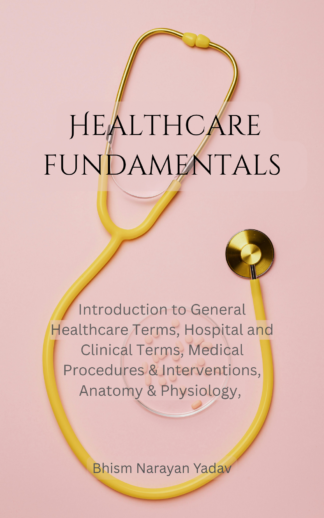
Healthcare Fundamentals by Bhism Narayan Yadav

Tips for Preparing for a Cardiologist Job Interview

Preparing for a cardiologist interview requires a combination of clinical revision and professional interview preparation. Candidates should review major cardiovascular conditions, diagnostic principles, emergency assessment, and commonly used cardiovascular therapies.

Before attending the interview, research the healthcare organization and understand the type of cardiac services it provides. A large tertiary hospital may have different expectations from a community hospital, specialist cardiac center, academic institution, or private healthcare facility.

Candidates should also review their own professional experience. Interviewers may ask about difficult cases, emergency situations, teamwork, clinical disagreements, patient communication, and professional development. Answers should be truthful and should protect patient confidentiality.

Use a structured approach when answering clinical scenario questions. Explain how you would assess the patient’s immediate stability, gather relevant clinical information, perform an examination, select appropriate investigations, and involve other specialists when necessary.

Communication is particularly important in cardiology. Cardiologists frequently work with patients who are anxious about heart disease. Interview answers should demonstrate the ability to explain complicated medical information clearly and respectfully.

It is also important to demonstrate awareness of professional limitations. A strong candidate should be comfortable seeking senior or specialist advice when a clinical situation requires expertise beyond their immediate experience.


Common Skills Employers Look for in Cardiologists

Healthcare employers may evaluate several important professional skills when interviewing cardiologists.

Clinical Judgment: The ability to assess cardiovascular symptoms and interpret clinical findings systematically.

Diagnostic Skills: Knowledge of ECG interpretation, cardiac imaging, laboratory investigations, and cardiovascular diagnostic strategies.

Emergency Response: The ability to recognize clinical deterioration and participate effectively in emergency cardiac care.

Communication: The ability to explain cardiovascular conditions and treatment plans to patients and families.

Teamwork: The ability to collaborate with physicians, surgeons, nurses, pharmacists, and other healthcare professionals.

Patient Safety: A commitment to safe clinical practice, appropriate documentation, and medication safety.

Ethical Practice: Respect for confidentiality, informed decision-making, and professional standards.

Continuous Learning: A willingness to review new cardiovascular evidence, clinical guidelines, and medical technologies.


Frequently Asked Questions About Cardiologist Interviews

What questions are asked in a cardiologist interview?

Cardiologist interviews may include questions about cardiovascular diseases, ECG interpretation, heart failure, coronary artery disease, arrhythmias, valvular disease, cardiac medications, emergency care, patient communication, and professional behavior.

How should I prepare for a cardiology job interview?

Review core cardiology concepts, common clinical scenarios, cardiovascular diagnostics, and your own professional experience. Research the hospital or healthcare organization and prepare examples demonstrating teamwork, communication, and clinical decision-making.

Are clinical scenario questions common in cardiologist interviews?

Yes. Clinical scenarios may be used to evaluate how a candidate approaches chest pain, cardiac emergencies, arrhythmias, heart failure, or patient deterioration. Interviewers are often interested in the candidate’s reasoning process and ability to prioritize patient safety.

Should I memorize cardiologist interview answers?

It is generally better to understand the principles behind each answer rather than memorize responses word for word. Interviewers may ask follow-up questions, so candidates should be able to explain their reasoning naturally.

What should I ask at the end of a cardiologist interview?

You may ask about the cardiology department, patient population, on-call responsibilities, diagnostic facilities, clinical expectations, continuing education, quality improvement, and professional development opportunities.


Conclusion

Preparing for a cardiology interview requires more than memorizing medical definitions. Employers may evaluate a candidate’s clinical reasoning, emergency response, diagnostic knowledge, patient communication, ethical judgment, and ability to work within a multidisciplinary healthcare team.

These 100 cardiologist interview questions and answers for jobs and employment provide a broad preparation resource for cardiologists and medical professionals applying for hospital, cardiac center, clinic, or other healthcare positions.

Candidates should personalize the sample answers according to their education, professional qualifications, clinical experience, local medical regulations, and the specific position for which they are applying. Clinical knowledge should also be regularly updated using current professional guidelines and reliable medical resources.

For more educational articles, career preparation resources, interview questions, and fundamental learning materials, explore Bhism Yadav Books.

Website: bhismyadavbooks.com


Posted on Leave a comment

Risk Manager Interview Questions and Answers: Complete Job Interview Preparation Guide you can’t miss

Risk Manager Interview Questions and Answers

100 Risk Manager Interview Questions and Answers

Introduction

Risk management has become an essential business function in banking, financial services, insurance, technology, manufacturing, healthcare, construction, energy, and many other industries. Organizations face financial, operational, strategic, regulatory, cybersecurity, and reputational risks every day. A skilled Risk Manager helps identify these uncertainties, evaluate their potential impact, and develop practical strategies to protect an organization.

If you are preparing for a Risk Manager job interview, employers may test your knowledge of risk identification, risk assessment, risk analysis, risk mitigation, regulatory compliance, internal controls, business continuity, and enterprise risk management. Interviewers may also ask behavioral and scenario-based questions to understand how you communicate risk information and make decisions under uncertainty.

We have some amazing books in our Shop page you may want to buy.

This comprehensive guide provides 100 Risk Manager interview questions and answers for jobs and employment. The questions are suitable for fresh graduates, Risk Analysts, Assistant Risk Managers, Enterprise Risk Managers, Financial Risk Managers, Operational Risk Managers, and experienced professionals preparing for senior risk management roles.

Use these questions to understand important concepts, improve your interview confidence, and prepare clear professional answers.


Basic Risk Manager Interview Questions and Answers

(Questions 1-50)

1. What is risk management?

Answer:
Risk management is the systematic process of identifying, analyzing, evaluating, treating, monitoring, and communicating risks that may affect an organization’s objectives. The purpose is not always to eliminate every risk. Instead, risk management helps an organization understand uncertainty and make informed decisions.

A strong risk management process considers the probability of an event and its potential impact. Appropriate controls and mitigation strategies are then developed according to the organization’s risk appetite.


2. What does a Risk Manager do?

Answer:
A Risk Manager identifies potential threats and opportunities that may influence an organization’s operations, finances, reputation, or strategic objectives. The professional assesses risks, develops mitigation plans, monitors risk indicators, and communicates findings to management.

Risk Managers may also review internal controls, maintain risk registers, conduct risk workshops, prepare risk reports, support audits, and ensure that risk management practices align with organizational policies and regulatory requirements.


3. Why do you want to work as a Risk Manager?

Answer:
I am interested in risk management because it combines analytical thinking, business knowledge, problem-solving, and decision-making. I enjoy examining complex situations, identifying potential problems, and developing structured solutions.

The Risk Manager position also provides an opportunity to work with different departments and support important strategic decisions. I find it rewarding to help an organization achieve its objectives while maintaining an appropriate level of risk.


4. What are the main types of business risk?

Answer:
The main types of business risk include strategic risk, financial risk, operational risk, compliance risk, reputational risk, cybersecurity risk, credit risk, market risk, and liquidity risk.

The exact risk categories may differ according to the industry. For example, a bank may focus heavily on credit and liquidity risks, while a manufacturing company may give greater attention to supply chain, health and safety, equipment, and operational risks.


5. What is risk identification?

Answer:
Risk identification is the process of recognizing events, conditions, or uncertainties that may affect organizational objectives. It is usually the first major step in the risk management process.

Risk identification techniques include interviews, workshops, process reviews, historical incident analysis, audits, brainstorming, SWOT analysis, scenario analysis, and examination of internal and external business environments.


6. What is risk assessment?

Answer:
Risk assessment is the process of evaluating identified risks to understand their likelihood and potential impact. It helps an organization prioritize risks and determine which risks require immediate management attention.

Risk assessments may use qualitative methods, quantitative methods, or a combination of both. Results are often documented using risk ratings, risk matrices, and risk registers.


7. What is the difference between risk and uncertainty?

Answer:
Risk generally refers to situations where potential outcomes and their probabilities can be estimated or evaluated. Uncertainty refers to situations where future outcomes or probabilities may be difficult to determine.

In practical risk management, both risk and uncertainty must be considered. Scenario planning, stress testing, expert judgment, and sensitivity analysis can help organizations prepare for uncertain situations.


8. What is a risk register?

Answer:
A risk register is a structured document or system used to record and monitor identified risks. It usually includes the risk description, risk category, likelihood, impact, risk rating, existing controls, mitigation actions, risk owner, target completion date, and current status.

The risk register should be reviewed regularly because business conditions and risk exposures can change over time.


9. What is risk appetite?

Answer:
Risk appetite is the amount and type of risk an organization is willing to accept while pursuing its strategic objectives. It reflects the organization’s approach to balancing risk and opportunity.

Senior management and the board generally establish the organization’s risk appetite. Risk Managers help translate risk appetite into practical limits, policies, thresholds, and monitoring processes.


10. What is risk tolerance?

Answer:
Risk tolerance refers to the acceptable level of variation around a specific objective or risk limit. It provides more detailed boundaries for risk-taking activities.

Risk appetite is generally broader and strategic, while risk tolerance is more specific and measurable. For example, an organization may have a moderate appetite for credit risk but establish precise tolerance limits for overdue accounts.


11. What is inherent risk?

Answer:
Inherent risk is the level of risk that exists before considering controls or mitigation measures. It represents the natural exposure associated with an activity, process, or business decision.

Evaluating inherent risk helps Risk Managers understand the original level of exposure and determine the importance of existing controls.


12. What is residual risk?

Answer:
Residual risk is the level of risk remaining after existing controls and mitigation measures have been considered. It helps management determine whether additional action is required.

If residual risk exceeds the organization’s risk appetite or tolerance, management may need to strengthen controls, transfer the risk, avoid the activity, or develop additional mitigation measures.


13. What is a risk matrix?

Answer:
A risk matrix is a visual tool used to classify risks according to their likelihood and impact. Common matrices use categories such as low, medium, high, and critical risk.

A risk matrix helps management quickly identify priority risks. However, Risk Managers should also consider the quality of data and professional judgment because risk ratings may sometimes be subjective.


14. How do you prioritize risks?

Answer:
I prioritize risks by considering likelihood, impact, velocity, persistence, control effectiveness, and alignment with organizational objectives. Risks with severe consequences and high probability generally receive greater attention.

I also consider regulatory requirements, management concerns, emerging risks, and interdependencies between different risks. Prioritization should support efficient allocation of organizational resources.


15. What are the four common risk treatment strategies?

Answer:
The four common risk treatment strategies are risk avoidance, risk reduction or mitigation, risk transfer, and risk acceptance.

Risk avoidance involves discontinuing an activity. Risk mitigation reduces likelihood or impact. Risk transfer shifts part of the financial exposure to another party, such as through insurance or contractual arrangements. Risk acceptance means consciously retaining the risk after proper evaluation.


16. What is risk mitigation?

Answer:
Risk mitigation involves implementing actions or controls to reduce the likelihood or impact of a risk. Examples include process improvements, employee training, cybersecurity controls, backup systems, supplier diversification, and financial hedging.

A good mitigation plan should clearly identify the responsible owner, required resources, implementation timeline, and expected reduction in risk exposure.


17. How do you identify emerging risks?

Answer:
I identify emerging risks by monitoring industry developments, regulatory changes, economic conditions, technological trends, geopolitical events, competitor activities, and internal business changes.

I also communicate with department leaders, review external risk reports, analyze incident trends, and conduct scenario workshops. Emerging risk monitoring should be a continuous process rather than an annual exercise.


18. What is enterprise risk management?

Answer:
Enterprise Risk Management, or ERM, is an organization-wide approach to identifying and managing risks that may affect strategic objectives. ERM considers risks across departments rather than managing each risk independently.

The objective is to provide management and the board with a comprehensive view of the organization’s risk profile and support risk-informed decision-making.


19. What is the importance of risk culture?

Answer:
Risk culture represents the shared attitudes, values, behaviors, and understanding of risk within an organization. A strong risk culture encourages employees to identify risks, report concerns, follow controls, and make responsible decisions.

Policies alone cannot create effective risk management. Leadership behavior, communication, accountability, training, and incentives also influence risk culture.


20. What is a risk owner?

Answer:
A risk owner is the person responsible for managing and monitoring a specific risk. The risk owner ensures that controls are operating effectively and mitigation actions are completed.

The Risk Manager facilitates and supports the risk management process, but operational managers and business leaders usually own risks associated with their activities.


Risk Assessment Interview Questions and Answers

21. How do you conduct a risk assessment?

Answer:
I begin by understanding the business objective, process, project, or activity being assessed. I identify potential risks through interviews, workshops, documentation reviews, incident analysis, and available data.

Next, I evaluate the likelihood and impact of each risk, review existing controls, and calculate or determine the residual risk level. I then prioritize risks, recommend mitigation actions, assign risk owners, and establish monitoring requirements.


22. What is qualitative risk analysis?

Answer:
Qualitative risk analysis evaluates risks using descriptive categories or rating scales. For example, likelihood may be classified as rare, unlikely, possible, likely, or almost certain.

Impact may be categorized as insignificant, minor, moderate, major, or severe. Qualitative analysis is useful when precise numerical data is unavailable or when a quick assessment is required.


23. What is quantitative risk analysis?

Answer:
Quantitative risk analysis uses numerical data and statistical methods to estimate risk exposure. It may measure financial losses, probabilities, distributions, or expected outcomes.

Common quantitative techniques include Monte Carlo simulation, sensitivity analysis, Value at Risk, stress testing, expected loss calculations, and statistical modeling.


24. What is expected monetary value?

Answer:
Expected Monetary Value, or EMV, is a quantitative risk analysis technique that calculates the expected financial impact of a risk.

It is generally calculated by multiplying the probability of an event by its financial impact. For example, if there is a 20% probability of a ₹1,000,000 loss, the expected monetary value of the risk is ₹200,000.


25. What is scenario analysis?

Answer:
Scenario analysis evaluates the potential effects of different future situations on an organization. Scenarios may include economic recession, cyberattack, supply chain disruption, regulatory changes, or sudden market movements.

The purpose is to understand possible consequences and determine whether the organization has adequate controls, financial capacity, and response plans.


26. What is sensitivity analysis?

Answer:
Sensitivity analysis examines how changes in one or more variables affect an outcome. It helps identify the assumptions or factors that have the greatest influence on business results.

For example, a financial risk assessment may examine how changes in interest rates, exchange rates, sales volumes, or commodity prices affect profitability.


27. What is stress testing?

Answer:
Stress testing evaluates how an organization, portfolio, system, or process may perform under severe but plausible conditions. It is commonly used in banking, financial risk management, cybersecurity, and business continuity.

The results can reveal vulnerabilities and help management develop contingency plans before a major disruption occurs.


28. What is a heat map in risk management?

Answer:
A risk heat map is a visual representation of risks based on factors such as likelihood and impact. Risks are positioned within a matrix to show their relative severity.

Heat maps help communicate risk information to senior management. However, they should be supported by detailed analysis and should not replace professional judgment.


29. How do you evaluate control effectiveness?

Answer:
I evaluate control effectiveness by reviewing control design and operating performance. A control may be properly designed but ineffective if employees do not consistently follow it.

I review documentation, conduct interviews, examine evidence, analyze incidents, and coordinate with internal audit or compliance teams when necessary. Control testing should determine whether the control reduces the identified risk as intended.


30. What is control design effectiveness?

Answer:
Control design effectiveness determines whether a control is appropriately designed to address a specific risk. The assessment considers whether the control can prevent, detect, or reduce the risk if implemented correctly.

A poorly designed control may not address the root cause of the risk, even when employees follow the control procedure.


31. What is control operating effectiveness?

Answer:
Operating effectiveness determines whether a control is consistently performed according to its intended design. Evidence may include system records, approvals, reconciliations, checklists, or monitoring reports.

Testing operating effectiveness helps determine whether the organization can rely on the control when evaluating residual risk.


32. What are preventive controls?

Answer:
Preventive controls are designed to stop an undesirable event before it occurs. Examples include authorization requirements, access controls, employee training, segregation of duties, and system validation rules.

Preventive controls are important because avoiding an incident may be less expensive than correcting the consequences later.


33. What are detective controls?

Answer:
Detective controls identify problems after or while they occur. Examples include reconciliations, exception reports, security alerts, management reviews, and audit procedures.

Detective controls help organizations discover errors, fraud, control failures, or unusual activities in a timely manner.


34. What are corrective controls?

Answer:
Corrective controls are designed to restore operations or correct problems after an incident has been identified. Examples include disaster recovery procedures, data restoration, disciplinary actions, process corrections, and remediation plans.

An effective control environment often combines preventive, detective, and corrective controls.


35. What is a Key Risk Indicator?

Answer:
A Key Risk Indicator, or KRI, is a measurable metric used to provide an early warning of increasing risk exposure. KRIs help management monitor changes in the organization’s risk profile.

Examples include employee turnover rates, system downtime, overdue payments, customer complaints, cybersecurity incidents, and supplier delivery failures.


36. What is the difference between a KRI and a KPI?

Answer:
A Key Risk Indicator measures risk exposure or signals potential problems. A Key Performance Indicator measures progress toward a business objective.

For example, revenue growth may be a KPI, while customer concentration may be a KRI. Both measures can be used together to provide a balanced view of performance and risk.


37. How do you select effective KRIs?

Answer:
I select KRIs that are relevant to important risks, measurable, timely, understandable, and capable of providing early warning signals. The indicator should have a clear relationship with the underlying risk.

I also establish thresholds and escalation procedures so management knows when action is required.


38. What is a risk threshold?

Answer:
A risk threshold is a predefined level that triggers attention, escalation, or management action. Thresholds are often applied to Key Risk Indicators.

For example, if system downtime exceeds a defined number of hours, the issue may be escalated to senior management. Thresholds should align with risk tolerance and business objectives.


39. How frequently should risks be reviewed?

Answer:
The review frequency depends on the severity and volatility of the risk. High-priority or rapidly changing risks may require daily, weekly, or monthly monitoring.

Lower risks may be reviewed quarterly or annually. Significant business changes, incidents, regulatory developments, or new projects should also trigger additional risk reviews.


40. How do you document risk assessment results?

Answer:
I document the risk description, causes, potential consequences, likelihood, impact, inherent risk, existing controls, control effectiveness, residual risk, mitigation actions, risk owner, and review date.

Documentation should be clear, consistent, and understandable to management. Good documentation also creates an audit trail and supports future risk reviews.


Risk Management Framework Interview Questions

41. What is ISO 31000?

Answer:
ISO 31000 is an international risk management guideline that provides principles, a framework, and a process for managing risk. It can be applied to organizations of different sizes and industries.

The framework emphasizes leadership, integration, structured processes, customization, inclusiveness, continuous improvement, and consideration of human and cultural factors.


42. What is the COSO ERM framework?

Answer:
The COSO Enterprise Risk Management framework provides guidance for integrating risk management with strategy and organizational performance.

It emphasizes governance and culture, strategy and objective-setting, performance, review and revision, and information, communication, and reporting. Organizations use the framework to strengthen risk-informed decision-making.


43. What is the three lines model?

Answer:
The three lines model describes different roles in organizational governance and risk management.

The first line includes operational management that owns and manages risk. The second line includes risk management and compliance functions that provide expertise, monitoring, and challenge. The third line is internal audit, which provides independent assurance.


44. What is the role of the board in risk management?

Answer:
The board provides oversight of the organization’s risk management activities. It reviews major risks, approves or oversees risk appetite, and challenges management regarding significant risk exposures.

The board should receive accurate and timely risk information to support strategic decisions and governance responsibilities.


45. What is the role of senior management in risk management?

Answer:
Senior management is responsible for implementing the organization’s risk strategy and ensuring that risk management is integrated into business operations.

Management allocates resources, establishes responsibilities, supports risk culture, and ensures that significant risks are communicated to the board.


46. What is risk governance?

Answer:
Risk governance refers to the structures, responsibilities, policies, and processes used to oversee risk management. It establishes how risk decisions are made and how accountability is assigned.

Effective risk governance includes clear reporting lines, risk committees, defined risk ownership, escalation procedures, and board oversight.


47. What is a risk management policy?

Answer:
A risk management policy is a formal document that defines an organization’s approach to managing risk. It may describe risk management objectives, responsibilities, processes, reporting requirements, and governance structures.

The policy provides consistent guidance and helps employees understand their responsibilities.


48. What is a risk management framework?

Answer:
A risk management framework is the overall structure used to integrate risk management into organizational activities. It may include policies, governance arrangements, risk assessment methodologies, reporting processes, and monitoring systems.

A good framework should be aligned with the organization’s size, industry, strategy, and regulatory environment.


49. How do you implement a risk management framework?

Answer:
I first understand the organization’s objectives, business model, and existing risk practices. I then assess current capabilities and identify gaps.

The implementation process may include establishing governance, defining risk appetite, developing policies, creating a risk assessment methodology, assigning risk owners, implementing reporting processes, and providing employee training. The framework should also be reviewed and improved regularly.


50. How do you improve an existing risk management process?

Answer:
I review the existing framework, risk registers, incident data, audit findings, and management feedback. I identify weaknesses such as inconsistent assessments, unclear ownership, poor reporting, or ineffective controls.

I then prioritize improvements based on risk and business value. Possible improvements include standardized methodologies, better KRIs, automated reporting, stronger risk workshops, and clearer escalation procedures.


Risk Manager Interview Questions and Answers – Part 2

(Questions 51-100)

51. What is financial risk?

Answer:
Financial risk is the possibility of financial loss caused by changes in market conditions, credit defaults, liquidity problems, interest rates, foreign exchange rates, commodity prices, or other financial factors.

A Risk Manager evaluates financial exposures and helps develop controls, limits, hedging strategies, and monitoring processes. Effective financial risk management supports financial stability and protects the organization’s capital and profitability.


52. What are the major types of financial risk?

Answer:
The major types of financial risk include credit risk, market risk, liquidity risk, interest rate risk, foreign exchange risk, and investment risk.

Organizations may face several financial risks at the same time. A Risk Manager should understand how these risks interact and how changes in economic conditions can affect the organization’s overall financial position.


53. What is credit risk?

Answer:
Credit risk is the possibility that a borrower, customer, or counterparty will fail to meet financial obligations according to agreed terms.

Credit risk management may involve credit assessments, credit limits, collateral requirements, diversification, credit scoring, and continuous monitoring of borrower performance.


54. How do you assess credit risk?

Answer:
I assess credit risk by reviewing the borrower’s financial position, repayment history, cash flow, debt levels, industry conditions, management quality, and available collateral.

I may also use credit ratings, credit scoring models, financial ratios, and probability of default estimates. The assessment should consider both the borrower’s individual characteristics and broader economic conditions.


55. What is counterparty risk?

Answer:
Counterparty risk is the possibility that another party in a financial or contractual transaction will fail to meet its obligations.

This risk is common in lending, derivatives, trading, and supplier contracts. Organizations manage counterparty risk through due diligence, exposure limits, collateral, contractual protections, and continuous monitoring.


56. What is market risk?

Answer:
Market risk is the possibility of financial loss caused by changes in market prices or rates. These changes may involve equity prices, interest rates, foreign exchange rates, or commodity prices.

Risk Managers use exposure limits, diversification, hedging, scenario analysis, stress testing, and quantitative models to evaluate and manage market risk.


57. What is Value at Risk?

Answer:
Value at Risk, commonly called VaR, is a statistical risk measurement used to estimate the potential loss of a portfolio over a specified time period at a defined confidence level.

For example, a one-day VaR of ₹10 million at a 95% confidence level suggests that the portfolio is expected to lose more than ₹10 million on approximately 5% of trading days, based on the assumptions of the model.


58. What are the limitations of Value at Risk?

Answer:
Value at Risk does not clearly describe the size of losses beyond the selected confidence level. It may also depend heavily on historical data, statistical assumptions, and market correlations.

During extreme market conditions, historical relationships may change. Therefore, VaR should be supported by stress testing, scenario analysis, and other risk measurements.


59. What is liquidity risk?

Answer:
Liquidity risk is the possibility that an organization may be unable to meet its financial obligations when they become due without experiencing significant losses.

Liquidity risk may arise from insufficient cash, unexpected withdrawals, limited access to financing, or difficulty selling assets. Cash flow forecasting, liquidity reserves, and contingency funding plans are important management tools.


60. How do you manage liquidity risk?

Answer:
I manage liquidity risk by monitoring cash flows, funding requirements, liquid asset levels, and maturity profiles. I also evaluate potential liquidity needs under normal and stressed conditions.

Organizations should maintain adequate liquidity buffers, diversify funding sources, establish liquidity limits, and develop contingency funding plans.


61. What is interest rate risk?

Answer:
Interest rate risk is the possibility of financial loss or reduced profitability caused by changes in interest rates.

For example, rising interest rates may increase borrowing costs or reduce the market value of fixed-income investments. Risk Managers analyze interest rate sensitivity and may recommend hedging or balance sheet adjustments.


62. What is foreign exchange risk?

Answer:
Foreign exchange risk arises when changes in currency exchange rates affect an organization’s financial results.

Companies with international operations, foreign suppliers, or overseas customers may experience currency exposure. Common management strategies include natural hedging, forward contracts, currency options, and exposure limits.


63. What is hedging?

Answer:
Hedging is a risk management strategy used to reduce exposure to unfavorable price or rate movements.

Financial instruments such as futures, forwards, options, and swaps may be used for hedging. The purpose of hedging is generally to reduce uncertainty rather than generate speculative profit.


64. What is concentration risk?

Answer:
Concentration risk occurs when an organization has excessive exposure to a particular customer, supplier, industry, geographic region, investment, or counterparty.

A major problem affecting the concentrated exposure may cause significant losses. Diversification and exposure limits are common methods of managing concentration risk.


65. How do economic conditions affect risk management?

Answer:
Economic conditions can influence credit defaults, customer demand, interest rates, currency movements, liquidity, and business profitability.

A Risk Manager should monitor economic indicators and evaluate their potential effects on the organization’s risk profile. Scenario analysis and stress testing can help management prepare for economic changes.


Operational Risk Interview Questions and Answers

66. What is operational risk?

Answer:
Operational risk is the possibility of loss resulting from inadequate or failed internal processes, people, systems, or external events.

Examples include employee errors, system failures, fraud, cyber incidents, supply chain disruptions, and natural disasters. Operational risk exists in almost every business activity.


67. How do you identify operational risks?

Answer:
I identify operational risks through process mapping, employee interviews, risk workshops, incident analysis, audit findings, control reviews, and Key Risk Indicators.

I also examine process changes, new technologies, outsourcing arrangements, and external events that may create additional operational exposure.


68. What is a Risk and Control Self-Assessment?

Answer:
A Risk and Control Self-Assessment, or RCSA, is a structured process in which business teams identify and evaluate risks associated with their activities and assess the effectiveness of existing controls.

Risk management professionals usually provide the methodology and challenge the assessment results. RCSA helps improve risk ownership and awareness within business departments.


69. What is operational loss data?

Answer:
Operational loss data contains information about incidents that have caused financial or non-financial losses.

The data may include incident type, date, cause, financial impact, affected process, control failure, and corrective actions. Analyzing loss data helps identify recurring problems and emerging risk trends.


70. How do you investigate a risk incident?

Answer:
I begin by collecting accurate information about the incident and its immediate impact. I identify affected processes, systems, employees, customers, and financial exposures.

Next, I conduct root cause analysis, evaluate control failures, and identify contributing factors. I document findings and recommend corrective actions designed to prevent recurrence.


71. What is root cause analysis?

Answer:
Root cause analysis is a structured method used to identify the fundamental reason why an incident or problem occurred.

Instead of only addressing visible symptoms, the process examines underlying causes. Techniques such as the Five Whys and fishbone diagrams may be used to identify process, people, technology, and environmental factors.


72. What is the Five Whys technique?

Answer:
The Five Whys technique involves repeatedly asking why a problem occurred until the underlying cause is identified.

The exact number of questions does not always need to be five. The purpose is to move beyond the immediate problem and identify the deeper process or control weakness.


73. What is business continuity risk?

Answer:
Business continuity risk is the possibility that an organization may be unable to continue critical operations during or after a disruption.

Potential disruptions include natural disasters, cyberattacks, power failures, pandemics, equipment failures, and supply chain interruptions.


74. What is a Business Continuity Plan?

Answer:
A Business Continuity Plan, or BCP, is a documented strategy for maintaining or restoring critical business activities during a disruption.

The plan may include emergency responsibilities, communication procedures, alternative work locations, technology recovery requirements, supplier arrangements, and recovery priorities.


75. What is disaster recovery?

Answer:
Disaster recovery focuses primarily on restoring information technology systems, applications, infrastructure, and data following a major disruption.

Disaster recovery is an important component of business continuity. Organizations should regularly test recovery procedures to verify that systems can be restored within required timeframes.


76. What is Recovery Time Objective?

Answer:
Recovery Time Objective, or RTO, is the maximum acceptable time within which a business process or technology system should be restored after a disruption.

A shorter RTO usually requires stronger and potentially more expensive recovery capabilities.


77. What is Recovery Point Objective?

Answer:
Recovery Point Objective, or RPO, defines the maximum acceptable amount of data loss measured in time.

For example, an RPO of four hours means the organization should have backup and recovery capabilities that limit data loss to approximately four hours of information.


78. How do you manage third-party risk?

Answer:
I manage third-party risk by conducting due diligence before selecting vendors or service providers. I evaluate financial stability, cybersecurity, operational capability, compliance, business continuity, and reputation.

Contracts should include appropriate risk requirements and service expectations. Critical third parties should also be monitored throughout the relationship.


79. What is vendor risk assessment?

Answer:
A vendor risk assessment evaluates the risks associated with using an external supplier or service provider.

The assessment may examine data access, cybersecurity controls, financial stability, legal requirements, service dependency, subcontractors, geographic exposure, and business continuity capabilities.


80. What is outsourcing risk?

Answer:
Outsourcing risk is the potential exposure created when an organization transfers activities or services to an external provider.

Although an activity may be outsourced, accountability for many associated risks may remain with the organization. Effective governance, contracts, monitoring, and contingency planning are essential.


Compliance and Regulatory Risk Interview Questions

81. What is compliance risk?

Answer:
Compliance risk is the possibility of legal penalties, financial losses, or reputational damage caused by failure to comply with laws, regulations, standards, or internal policies.

Risk Managers often work closely with compliance and legal teams to identify regulatory exposures and monitor control effectiveness.


82. What is regulatory risk?

Answer:
Regulatory risk is the potential impact of existing or changing government regulations on an organization’s operations, finances, or strategy.

Organizations should monitor regulatory developments and evaluate new requirements before implementation deadlines.


83. How do you stay updated with regulatory changes?

Answer:
I monitor regulatory publications, industry associations, professional risk management resources, legal updates, and relevant government announcements.

I also communicate with compliance and legal professionals. When a significant change is identified, I assess its impact and help develop an implementation plan.


84. What is reputational risk?

Answer:
Reputational risk is the possibility of damage to an organization’s public image, customer trust, or stakeholder confidence.

It may result from poor service, unethical conduct, cyber incidents, regulatory violations, environmental issues, or negative media coverage. Reputational risks can have long-term financial consequences.


85. How do you manage reputational risk?

Answer:
I manage reputational risk by identifying events that may affect stakeholder confidence and evaluating the effectiveness of preventive controls.

Strong governance, ethical conduct, customer service, regulatory compliance, crisis communication, and incident response can reduce reputational exposure. Social and media trends may also require monitoring.


86. What is conduct risk?

Answer:
Conduct risk is the possibility that employee or organizational behavior may cause harm to customers, markets, or the organization.

Examples include mis-selling products, conflicts of interest, unethical behavior, and unfair customer treatment. Strong policies, training, monitoring, and accountability are important controls.


87. What is fraud risk?

Answer:
Fraud risk is the possibility of intentional deception for financial or personal gain.

Fraud may be committed by employees, customers, suppliers, or external criminals. Organizations use segregation of duties, access controls, transaction monitoring, audits, and whistleblowing mechanisms to reduce fraud risk.


88. How would you assess cybersecurity risk?

Answer:
I would identify critical information assets, systems, and business processes. I would evaluate potential cyber threats, vulnerabilities, and existing security controls.

I would work with information security teams to assess access management, data protection, incident response, third-party exposure, employee awareness, and recovery capabilities. Cyber risk should be communicated in business terms to management.


89. What is data privacy risk?

Answer:
Data privacy risk is the possibility of harm caused by inappropriate collection, processing, storage, sharing, or disclosure of personal information.

Organizations should understand what personal data they hold, why it is processed, who has access, and how it is protected. Privacy controls should align with applicable laws and organizational policies.


90. How do you communicate a major risk to senior management?

Answer:
I communicate the risk clearly and concisely. I explain the nature of the risk, potential business impact, likelihood, existing controls, and residual exposure.

I also provide practical mitigation options, expected costs, timelines, and recommended actions. Senior management should receive enough information to make an informed decision without unnecessary technical complexity.


Behavioral and Scenario-Based Risk Manager Interview Questions

91. Tell me about a time you identified a significant risk.

Answer:
In a previous situation, I noticed that an important business process depended heavily on a single external provider. I reviewed the arrangement and identified significant concentration and business continuity risks.

I presented the findings to management and recommended an alternative supplier strategy and improved contingency planning. The organization implemented additional controls and reduced its dependency on the single provider.

When answering this question, candidates should use a genuine professional example and explain the situation, actions, and measurable result.


92. How do you handle disagreement with a business manager about risk?

Answer:
I first listen carefully to understand the manager’s business objectives and concerns. I then explain the risk using evidence, potential consequences, and relevant risk appetite limits.

My objective is not to stop business activities unnecessarily. I try to identify practical controls or alternatives that allow the organization to achieve its objectives while maintaining acceptable risk exposure.


93. What would you do if management accepted a high risk against your recommendation?

Answer:
I would ensure that the risk assessment and my recommendation were clearly documented. I would verify that the decision was made by an individual with appropriate authority.

If the risk exceeded established limits or required escalation, I would follow the organization’s governance procedures. Professional risk management requires transparency and appropriate escalation.


94. How do you manage multiple high-priority risks?

Answer:
I prioritize risks according to severity, urgency, regulatory importance, and potential impact on strategic objectives.

I establish clear action plans, assign responsibilities, and monitor progress through structured reporting. I also communicate resource constraints to management when multiple risks require immediate attention.


95. Describe your communication style as a Risk Manager.

Answer:
My communication style is clear, evidence-based, and adapted to the audience. Senior executives may require concise summaries focused on business impact and decisions.

Operational teams may require more detailed explanations of controls and actions. I avoid unnecessary technical language and ensure that stakeholders understand their responsibilities.


96. How do you influence people when you do not have direct authority?

Answer:
I build credibility through accurate analysis, business understanding, and constructive communication. I explain how effective risk management supports business objectives rather than presenting risk management only as a control function.

I also involve stakeholders in the assessment process and listen to their practical concerns. Collaboration often creates stronger commitment to mitigation actions.


97. How do you handle pressure during a major risk incident?

Answer:
I remain focused on verified information, immediate priorities, and established response procedures. I separate urgent issues from less critical activities and ensure that responsibilities are clearly assigned.

I communicate regularly with relevant stakeholders and document important decisions. After the incident, I support a structured review to identify lessons and improvements.


98. What would you do during your first 90 days as a Risk Manager?

Answer:
During my first 90 days, I would learn the organization’s strategy, business model, operations, and risk culture. I would meet key stakeholders and review the existing risk framework, policies, risk registers, incidents, audit findings, and regulatory obligations.

I would identify immediate concerns and improvement opportunities. Before making major changes, I would understand the organization’s current capabilities and business priorities.


99. Why should we hire you as a Risk Manager?

Answer:
You should hire me because I combine analytical thinking, business understanding, and practical risk management skills. I can identify and assess risks, evaluate controls, communicate complex issues clearly, and develop realistic mitigation strategies.

I also understand that effective risk management should support organizational objectives. My approach is collaborative, structured, and focused on helping management make informed decisions.

Candidates should customize this answer according to their experience, qualifications, and the employer’s requirements.


100. Where do you see yourself in five years?

Answer:
In five years, I would like to have developed deeper expertise in enterprise and strategic risk management and taken greater responsibility for complex risk programs.

I want to continue improving my technical, leadership, and communication skills. My goal is to contribute to an organization’s long-term success while developing into a senior risk management professional.


Risk Management by IIBF (Author)

Frequently Asked Questions About Risk Manager Interviews

What questions are asked in a Risk Manager interview?

Risk Manager interviews commonly include questions about risk assessment, risk registers, risk appetite, risk tolerance, inherent risk, residual risk, internal controls, Key Risk Indicators, operational risk, financial risk, and enterprise risk management.

Candidates may also receive behavioral and scenario-based questions.

How should I prepare for a Risk Manager interview?

Study important risk management concepts and review the job description carefully. Research the employer’s industry and identify major risks that may affect its business.

Prepare examples of situations where you analyzed a problem, improved a process, managed uncertainty, or communicated an important issue.

What skills are required for a Risk Manager?

Important Risk Manager skills include analytical thinking, risk assessment, communication, problem-solving, data analysis, control evaluation, stakeholder management, and business understanding.

Knowledge of financial, operational, regulatory, cybersecurity, or enterprise risks may also be required depending on the position.

Is risk management a good career?

Risk management can be a strong career option because organizations across many industries need professionals who can identify uncertainty and support informed decision-making.

Career opportunities may exist in banking, insurance, consulting, technology, manufacturing, healthcare, energy, and government organizations.

What is the best way to answer behavioral Risk Manager questions?

The STAR method can be useful. STAR means Situation, Task, Action, and Result.

Describe the situation, explain your responsibility, discuss the actions you personally completed, and clearly state the result.

What qualifications are useful for Risk Manager jobs?

Employers may prefer candidates with education in finance, business, economics, accounting, statistics, engineering, or related fields.

Professional certifications and specialized risk management training may also support career development, depending on the industry and role.


Conclusion

Preparing for a Risk Manager interview requires a strong understanding of risk identification, assessment, control evaluation, risk mitigation, financial risk, operational risk, regulatory compliance, and enterprise risk management.

The 100 Risk Manager interview questions and answers in this guide cover fundamental concepts as well as technical, behavioral, and scenario-based interview topics. However, candidates should not simply memorize every answer word for word.

A stronger interview strategy is to understand each concept and connect it with your education, professional experience, industry knowledge, and real business situations. Whenever possible, use measurable examples to demonstrate how you identified a risk, improved a control, supported management, or prevented a potential loss.

Risk management employers value professionals who can analyze uncertainty and communicate clearly. They also look for candidates who understand business objectives and can develop practical solutions instead of creating unnecessary barriers.

Review the job description before your interview. Research the employer’s industry and consider the major financial, operational, technological, regulatory, and strategic risks that may affect the organization.

With structured preparation and clear professional answers, you can improve your confidence and demonstrate your suitability for Risk Manager jobs and employment opportunities.